
How to Buy a Historic Home in Long Beach: Expert Steps & Local Insights
Long Beach is packed with historic homes that just ooze character—seriously, you won’t find this kind of craftsmanship in most new builds. Think Craftsman bungalows with hand-carved woodwork or Spanish Revival houses with dreamy courtyards. These places tell the story of early 20th-century California.
Neighborhoods like Bluff Park and Belmont Shore have homes from the early 1900s through the 1930s, each with its own unique vibe and details that have somehow survived all these years.
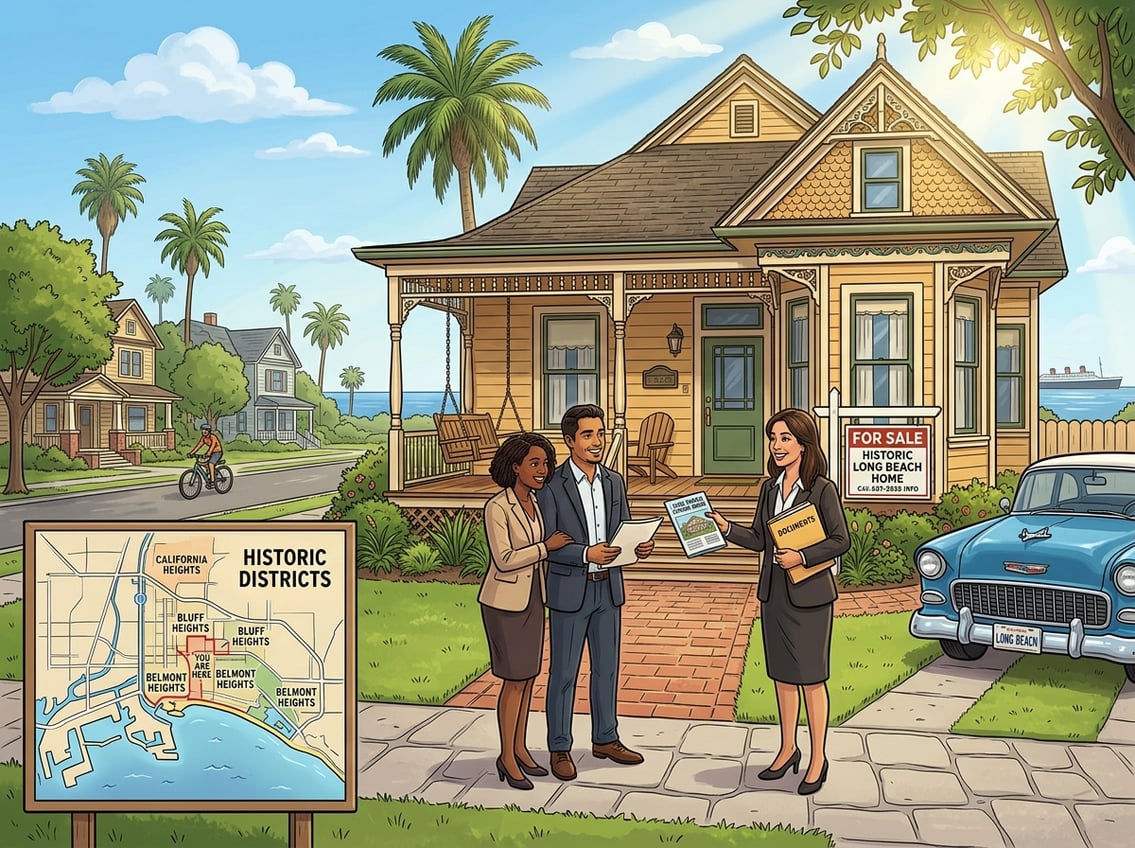
If you’re thinking about buying a historic home in Long Beach, you’ll need to wrap your head around preservation rules, get a good look at the condition of the place, and work with folks who really get these kinds of properties.
I’ve pulled together this guide to help you out, from finding the right place to actually closing the deal. It’s a bit more involved than just picking a house off a listing site, but honestly, that’s part of the fun.
The investment goes way beyond just the sticker price. I’ll walk you through what to watch for during inspections, how to handle local historic district rules, and what kind of financial perks you might snag as a buyer.
Key Takeaways
Long Beach historic homes come in styles like Craftsman, Spanish Revival, and Mid-Century Modern—each with real California soul.
You’ll need to understand preservation rules, do thorough inspections for old systems, and work with pros who know historic properties inside and out.
Some financial incentives and a bit of planning can make preserving one of these beauties totally worth it.
Understanding Long Beach’s Historic Architecture
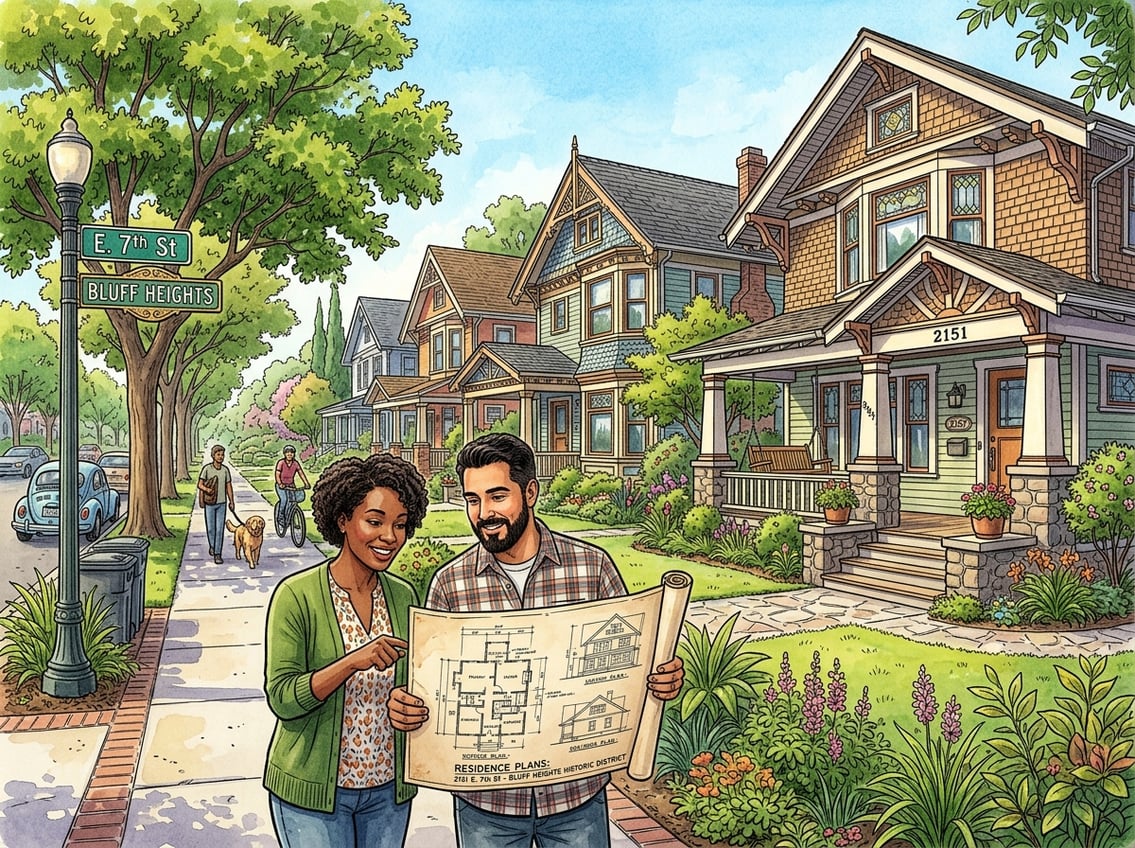
Long Beach has a wild mix of architectural styles, stretching from the late 1800s to the 1930s. There are 18 official historic districts, each with its own flavor and quirks.
These neighborhoods are full of details and building methods you just don’t see anymore. Every era left its mark, and it’s all still there—if you know where to look.
Key Home Styles and Their Features
Spanish Colonial Revival homes are everywhere in Long Beach. You’ll spot the terra cotta tile roofs, those dramatic arches, and the smooth stucco walls.
Most of these were built in the 1920s and early 1930s. Wrought iron accents and hidden courtyards are pretty common too.
Craftsman bungalows are another local favorite. They’re famous for chunky wooden beams, built-in cabinets, and those big front porches with chunky columns.
Inside, you’ll usually find lots of dark wood trim and box beam ceilings. There’s a real focus on natural stuff—think stone, wood, and glass.
Victorian styles pop up in the oldest parts of the city. These houses are all about the ornate trim, bay windows, and sometimes a little bit of whimsy.
Expect odd-shaped facades and rooflines that make you do a double-take. There’s also Mission Revival with its simple stucco and red tiles, Tudor Revival with half-timbering and steep gables, and Prairie style homes that just stretch out low and wide.
Why Long Beach Historic Homes Appeal to Buyers?
The craftsmanship in these homes? Honestly, it blows most new builds out of the water. Original hardwood floors, thick plaster walls, and solid wood doors are built to last.
Trying to recreate those details today would cost a small fortune. And let’s be real, the quirks and oddities are part of the charm.
Older homes just have a personality you can’t fake. Built-ins, vintage tile, and those old-school fixtures make every room feel special. No two of these houses are alike, which is a big part of the appeal.
Location doesn’t hurt, either. A lot of these properties sit on bigger lots in established neighborhoods, close to downtown or the beach.
Mature trees and walkable streets add to the atmosphere. Oh, and some buyers can get Mills Act tax breaks if they keep up the historic vibe.
Neighborhoods with Rich Heritage
Willmore City is the oldest residential area in Long Beach. It runs from Fourth to Twelfth Street and Loma Vista to Pacific Avenue, packed with Victorians and Spanish Colonial Revival homes from way back.
The Wrigley District is another gem, especially along Eucalyptus Avenue. You’ll find Spanish Colonial and Tudor Revival homes from the late 1920s and early 1930s lining those blocks.
Bluff Park is all about ocean views and Spanish Revival architecture, while Bluff Heights mixes it up with a blend of styles in a super walkable setting.
North Long Beach has the Nehyam district, where you’ll see modest Spanish Colonial Revival homes from the late 1920s and early 1930s. These places have the signature arches and tile roofs. The 18 historic districts in Long Beach each keep their own identity but all add to the city’s vintage charm.
Assessing Property Condition and Unique Challenges
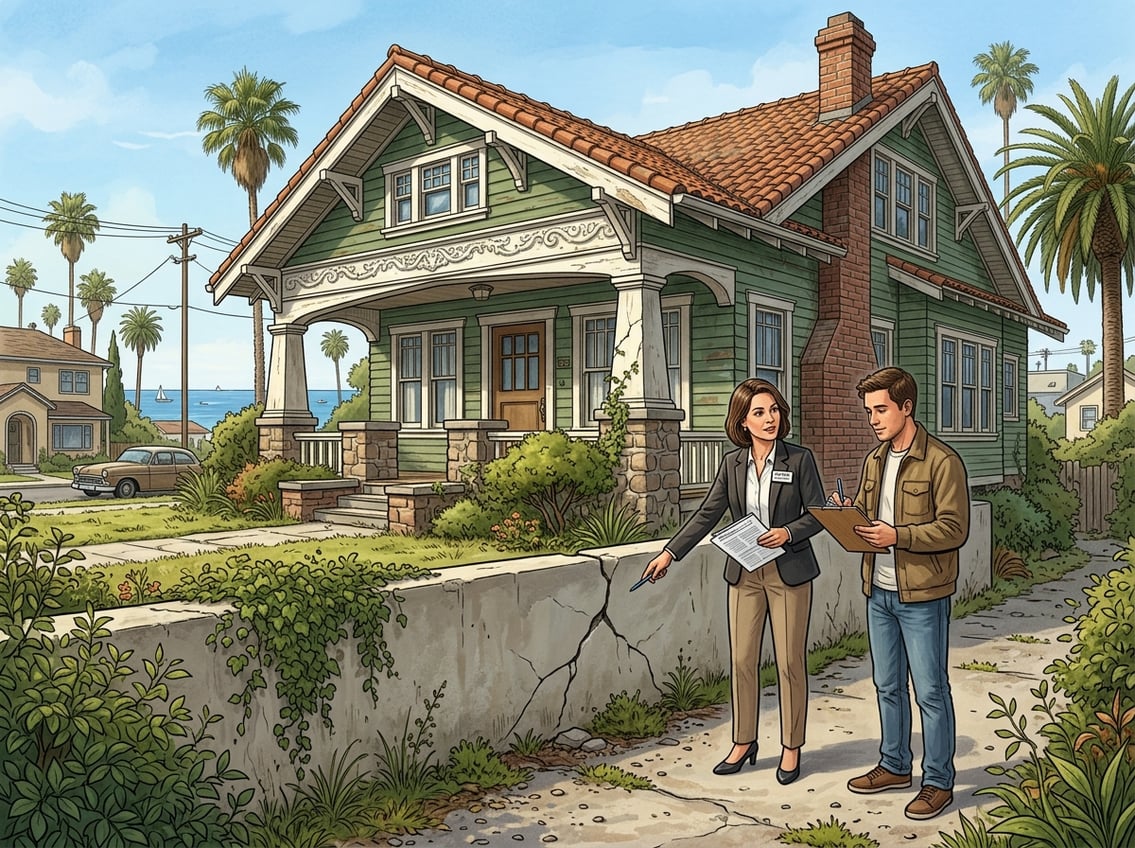
Historic homes in Long Beach aren’t like your average house. I have to look at how old-school building methods and materials hold up, and what that means for future upkeep.
Structural Integrity and Foundations
I always start with the foundation. Many historic Long Beach homes have raised or brick foundations, or early concrete that just doesn’t settle like today’s slabs. If I see cracks wider than a quarter inch, I call in a pro.
Hire a home inspector after your offer gets accepted.
Water damage, wood rot, and termites love old floor joists and beams. Original timber framing often uses sizes you can’t even buy at Home Depot now. I make sure any repairs used the right materials—mixing old and new can cause headaches later.
Roofs need a close look too. Sometimes, owners swapped in heavier roofing materials that the old framing wasn’t built to handle. I double-check load-bearing walls to make sure nobody took out something important during a remodel.
Evaluating Electrical and Plumbing Systems
I bring in an inspector who knows historic systems. Knob-and-tube or aluminum wiring can be a fire risk, and insurance companies usually want all that replaced.
Galvanized steel pipes corrode over time and kill your water pressure. If the place was built before 1930, I check for lead pipes. Cast iron drains can last, but eventually they crack. Sometimes, it’s just easier to budget for a full plumbing overhaul if nothing’s been updated in decades.
I always ask about the age of the water heater, electrical panel, and shutoff valves. If they’re ancient, they’ll probably need replacing to meet current code and keep up with modern life.
Energy Efficiency and Insulation Upgrades
Most historic homes are drafty. I check attics, crawl spaces, and walls to see if there’s any insulation at all. Single-pane windows and gaps around doors don’t help the energy bill.
Upgrading for efficiency gets tricky. I try to add attic insulation and weather stripping without messing with the home’s original character. Storm windows can save the old glass and still give you a buffer against the cold.
If there’s forced air, I check the ductwork. A lot of these homes use wall heaters or radiators, which might need updating. Before I do any big efficiency projects, I check if I need approval from the Historic Preservation Officer. No one likes surprises from the city.
Preservation Rules and Local Incentives
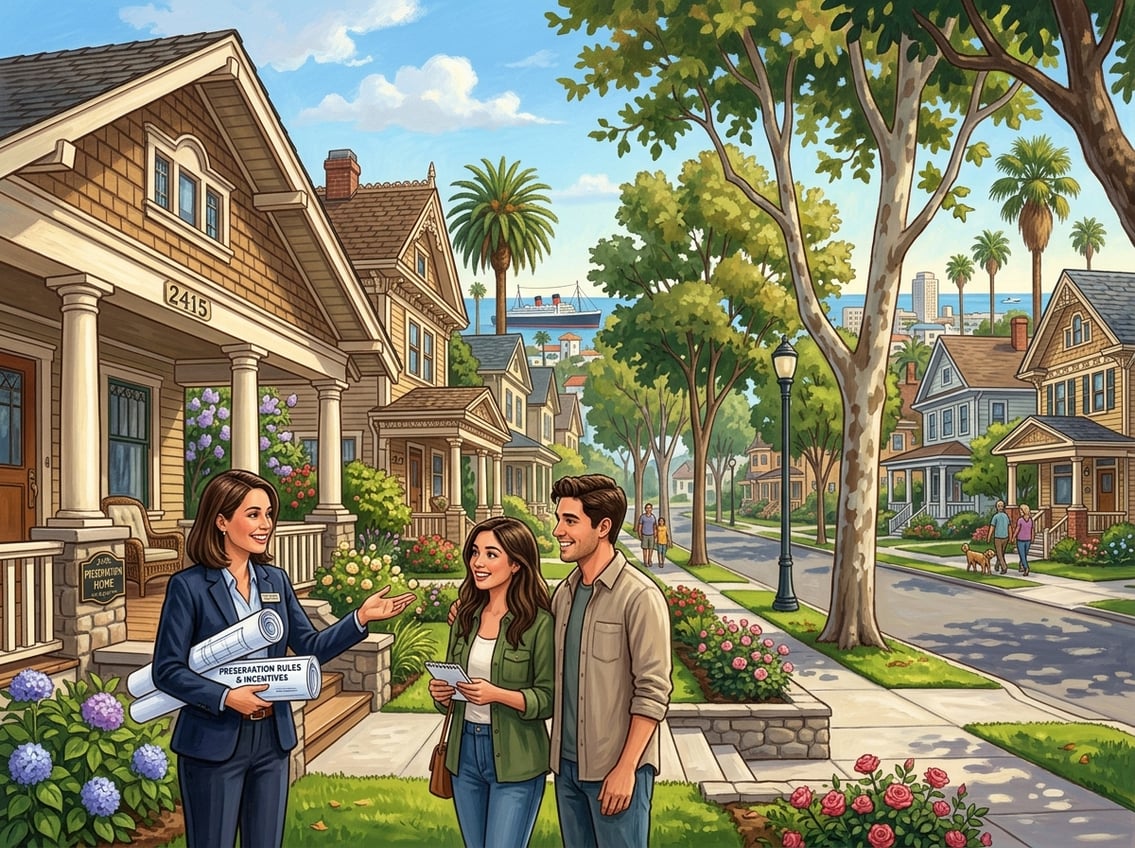
Owning a historic home in Long Beach means following some strict rules about keeping up the property’s character. But hey, the city offers some pretty nice financial perks to help with restoration costs, so it’s not all red tape.
The Cultural Heritage Commission sets the standards, and programs like the Mills Act can seriously lower your property tax bill.
Historic District Requirements
If I buy in a designated historic district, I have to stick to specific guidelines to keep the neighborhood’s vibe intact. These rules cover things like windows, doors, siding, roofing, and even paint colors.
I need to maintain the architectural style that makes my area special. Any changes to the exterior should match the home’s original design and era. The city has style guides for each period, which helps a lot.
Each district has its own set of rules, so I always check what applies before planning any work outside.
Permit Processes and Approvals
If I want to change anything on the outside, I need a Certificate of Appropriateness. That’s for both historic districts and designated landmarks. It’s basically proof that my project fits the preservation standards.
The Cultural Heritage Commission reviews my plans, so I make sure to include drawings, photos, and a list of materials. If I get stuck, I call the Historic Preservation Division at 562.570.6194. Getting this sorted up front saves a ton of headaches later.
Review times can vary, depending on how big or complicated my project is.
Mills Act and Property Tax Benefits
The Mills Act is probably the best deal out there for historic homeowners in Long Beach. It gives me a break on property taxes if I keep up the place according to preservation standards.
I sign a contract with the city, promising to maintain and restore the property. My taxes get calculated differently—usually, that means big savings. Some people save thousands every year.
The application window opens once a year. I need to own a designated historic landmark or a home in a historic district to qualify. Maintenance and restoration are ongoing, so it’s a real commitment. If I have questions, I just call the Historic Preservation Division at 562.570.6194 or email [email protected].
Navigating the Buying Process for Historic Homes
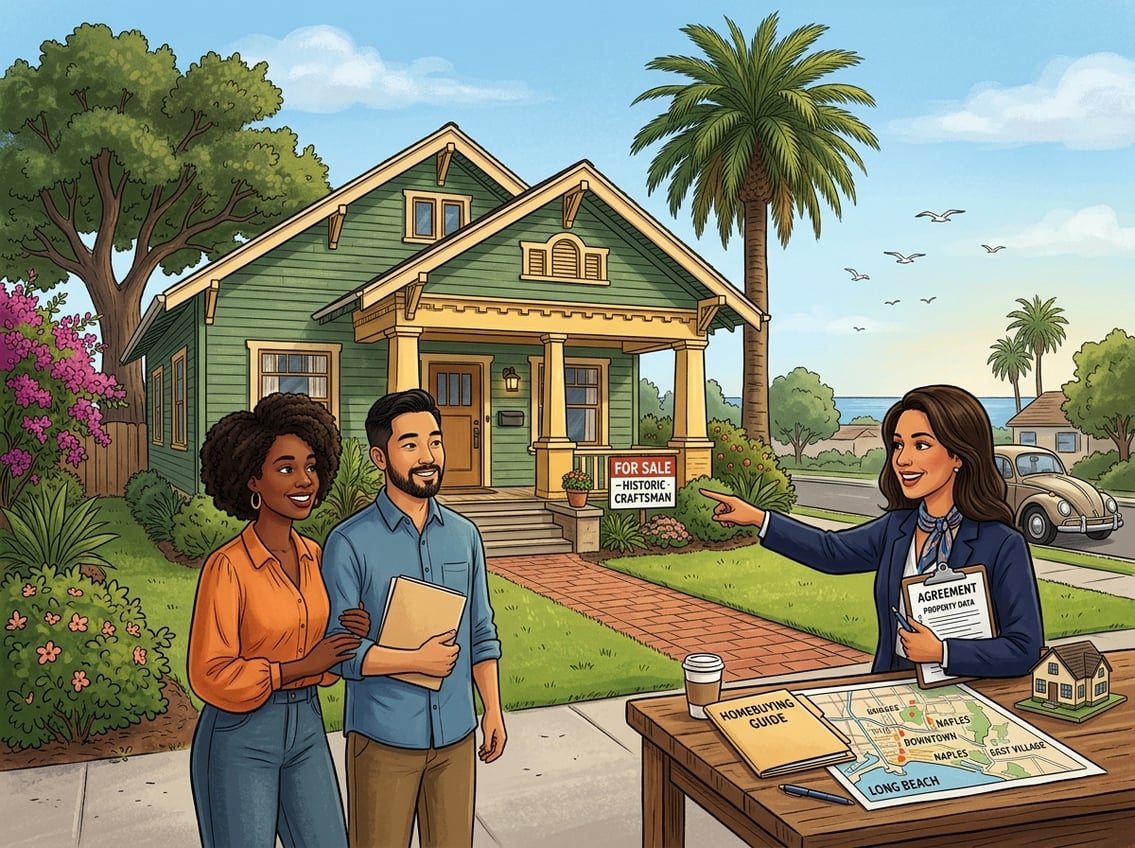
Finding the right historic home in Long Beach isn’t just about scrolling through listings. You need people on your side who really get these houses, know where to look, and can spot the stuff most buyers would miss.
Long Beach historical homes for sale from the early 1900s to 1935 need a different approach than newer places. I focus on neighborhoods with strong historic character and unique architecture.
When I’m looking at listings, here’s what I care about:
Original features: Hardwood floors, built-ins, vintage light fixtures
Previous updates: Did past owners respect the home’s character?
Structural integrity: Foundation, roof, and all the big systems
Historic designation: Is it on a local or national register?
I always dig into the property’s history and check for any restrictions tied to its historic status. Some homes need committee approval before you can change anything on the outside. It’s a process, but for the right house? Totally worth it.
The Importance of Specialized Inspections
Standard home inspections just don’t cut it for historic properties. I always look for inspectors who actually know older homes and understand those quirky construction methods from decades past.
These specialists know what to watch for in Long Beach homes. Outdated electrical, old plumbing, foundation settling, and wood rot come up all the time.
They’ve seen how materials age, so they can tell me what needs fixing right away and what can wait as routine maintenance. That insight is worth its weight in gold.
Insurance companies often see historic homes as a bigger risk. A detailed inspection report helps me negotiate repairs and find the right coverage.
I always plan for extra time and money at this stage. Inspectors sometimes need to crawl into tight attics or under the house, which takes longer than with newer builds.
Making an Informed Offer and Closing the Deal
When I’m ready to buy a historic home in Long Beach, I have to think about the property’s age and unique features before making an offer. Repairs that meet preservation rules and lenders who get the quirks of historic property financing are important, too.
A basic appraisal usually misses the value of period materials or true craftsmanship. I check out recent sales of similar historic homes in the area instead of comparing to all the new builds around town.
Original details—hardwood floors, crown molding, vintage tile—definitely add value. But let’s be real, deferred maintenance can eat up that value fast. I try to balance the charm with the real repair costs before I commit.
Neighborhoods to Check Out
Here are some of the best spots to look for historic homes in Long Beach:
Willmore City and Drake Park are the oldest parts of town, running from Fourth to Twelfth Street. It’s packed with Victorian and Spanish Colonial Revival homes.
Wrigley District has beautiful Spanish Colonial and Tudor Revival homes, especially along Eucalyptus Avenue.
Bluff Park sits near the ocean and is full of Spanish Revival homes with amazing views.
Bluff Heights mixes a bunch of different styles in a very walkable neighborhood.
California Heights is known for Craftsman bungalows and Revival homes from the 1920s and ’30s.
Carroll Park and Rose Park are also worth a look if you want a quieter, tree-lined feel.