
Mid Century Modern Homes for Sale in Southern California
Current Inventory of Mid Century Modern Homes for Sale
Understanding what makes these homes special can help you appreciate their design. Whether you’re thinking about buying one, updating your current home, or just curious about the style, learning about mid-century modern features will show you why they continue to shape how Southern Californians live.





Key Takeaways
Defining Characteristics of Southern California Mid-Century Modern Homes
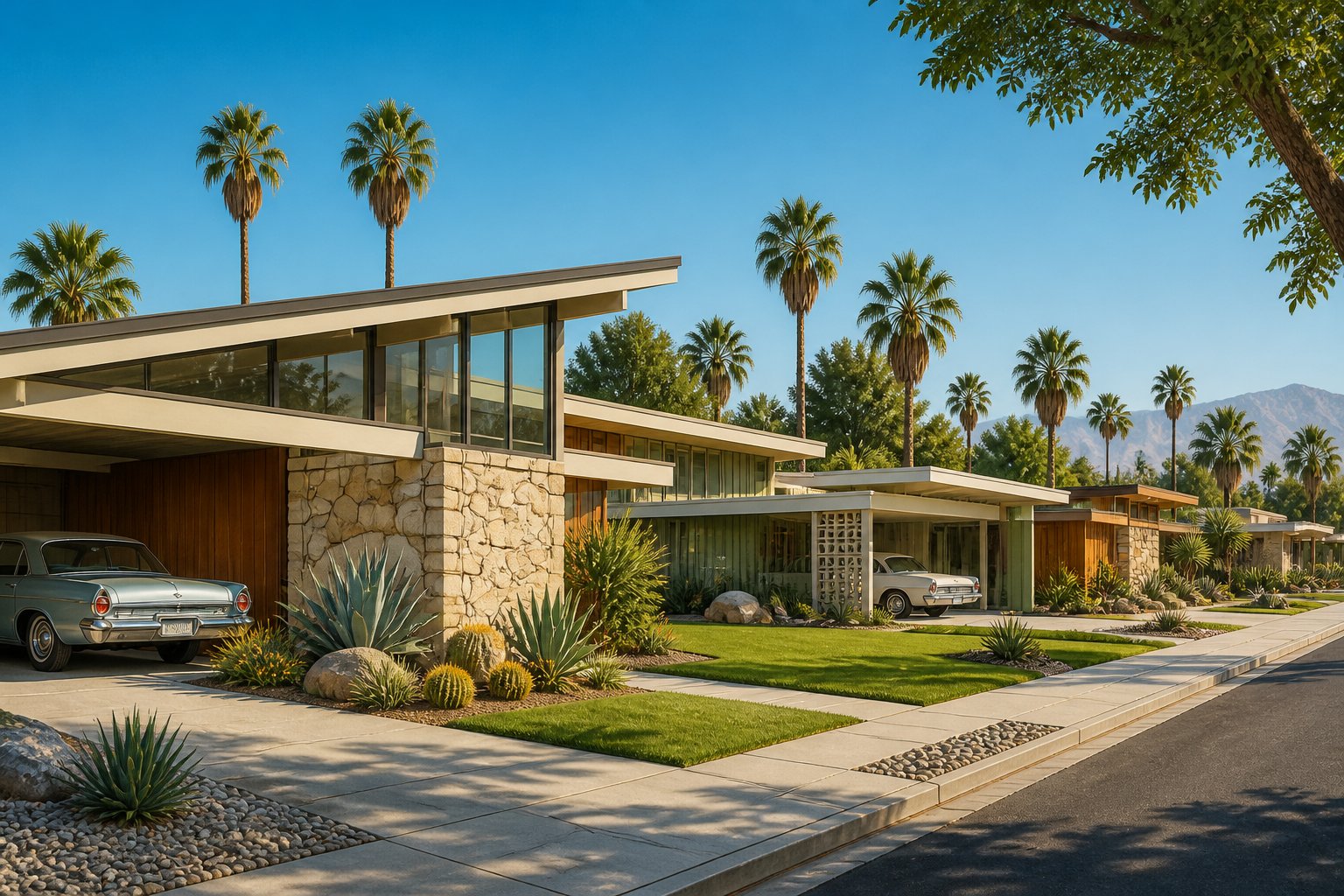
Mid-century modern architecture in Southern California has three key visual elements that set it apart from other styles. These homes use simple shapes, natural building materials, and repeating geometric designs to create spaces that feel both elegant and relaxed.
Signature Clean Lines and Minimalist Aesthetics
Clean lines form the backbone of California modernism. These homes skip unnecessary decoration and focus on simple, horizontal shapes that mirror the flat Southern California landscape.
I notice post-and-beam construction is common in these designs. This method lets architects create open floor plans without needing interior support walls.
The result is spaces that flow naturally from room to room. Flat or low-pitched roofs are another hallmark.
These rooflines emphasize the horizontal nature of the design. Large windows wrap around corners, with barely any frames breaking up the glass.
The minimalist approach shows up inside too. Built-in furniture and storage keep spaces uncluttered.
Cabinet hardware is either hidden or kept to a minimum. Even fireplaces become simple rectangular openings in clean walls, not ornate focal points.
Embracing Natural Materials Indoors and Out
Natural materials connect these homes to their environment. Wood, stone, brick, and glass appear throughout both interior and exterior spaces.
Warm wood tones show up everywhere. Exposed ceiling beams made from redwood or fir add visual interest overhead.
Wood paneling covers accent walls. Teak and walnut appear in built-in cabinets and room dividers.
Stone and brick create texture without adding fussy details. I see flagstone used for entryway floors that continue from outside to inside.
Brick fireplaces and accent walls add earthy colors. Glass plays a major role by blurring boundaries between indoor and outdoor areas.
Floor-to-ceiling sliding glass doors open living rooms to patios and gardens. This suits Southern California’s mild weather perfectly.
Distinctive Use of Geometric Patterns
Geometric patterns add visual rhythm to mid-century modern homes. These repeating shapes show up in both structural elements and decorative details.
Perforated concrete blocks, called breeze blocks or screen blocks, are especially popular. These blocks feature cutout patterns like diamonds, circles, or starbursts.
They provide privacy while letting light and air pass through. Wood slat dividers use parallel lines to separate spaces without solid walls.
The spacing between slats creates shadow patterns that change throughout the day. These dividers often appear between living rooms and dining areas.
Hexagonal and triangular shapes show up in tile work and terrazzo floors. Kitchen backsplashes might feature small hexagonal tiles.
Entryway floors sometimes display terrazzo with geometric chip patterns embedded in the surface.
Light, Space, and Connection to Nature
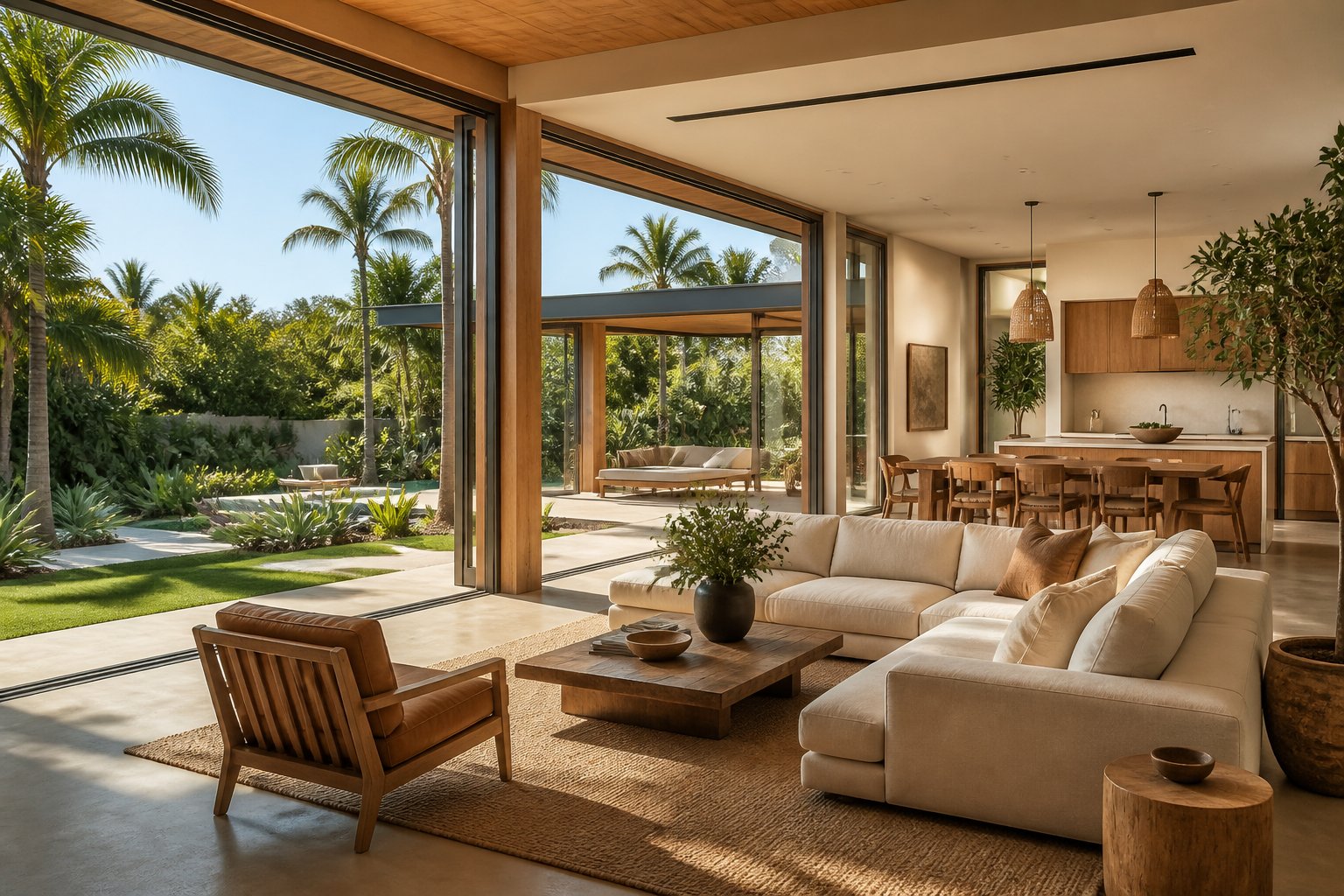
Mid-century modern homes in Southern California excel at bringing the outdoors in through smart window design and open layouts. These homes use glass walls, high windows, and flowing floor plans to flood spaces with natural light while connecting residents to the landscape around them.
Floor-to-Ceiling Windows: The Indoor-Outdoor Experience
When I look at Southern California’s mid-century modern homes, the floor-to-ceiling windows always catch my attention first. These expansive glass walls blur the line between inside and outside spaces.
The large windows create what designers call the indoor-outdoor experience. I can stand in my living room and feel like I’m still part of the garden or patio.
The glass doesn’t just let in light—it makes the room feel twice as big by extending the view outward. Most mid-century modern homes in the region feature sliding glass doors that open completely.
This design lets me move easily between my interior living space and outdoor patio. On mild Southern California days, I can slide the doors open and turn two separate areas into one large living space.
The post-and-beam construction common in these homes supports these large windows without needing walls for structure. The beams carry the weight of the roof, which frees up entire walls to become glass.
Clerestory Windows and Creative Light Solutions
Clerestory windows sit high on walls near the roofline. I appreciate these windows because they bring light deep into a home without sacrificing privacy.
These high windows work especially well in bathrooms and bedrooms. I get plenty of natural light throughout the day, but neighbors and passersby can’t see inside.
The light bounces off the ceiling and spreads evenly through the room. Mid-century architects also used light wells and atriums in their designs.
These features pull daylight into interior spaces that don’t have exterior walls. I’ve seen hallways and interior bathrooms become bright, pleasant spaces thanks to a small skylight or atrium above.
Open Floor Plans That Flow Freely
The open floor plan defines mid-century modern design. I can move from kitchen to dining room to living room without passing through doorways or narrow halls.
This layout made sense for Southern California’s casual lifestyle. I can cook dinner while talking to guests in the living room.
The space feels social and relaxed rather than formal and divided. Low-pitched roofs and minimal interior walls create a sense of spaciousness.
Even smaller homes feel larger when I can see from one end to the other. The clean geometry and simple lines keep the space from feeling cluttered or busy.
Evolution of California Modernism and Its Influences
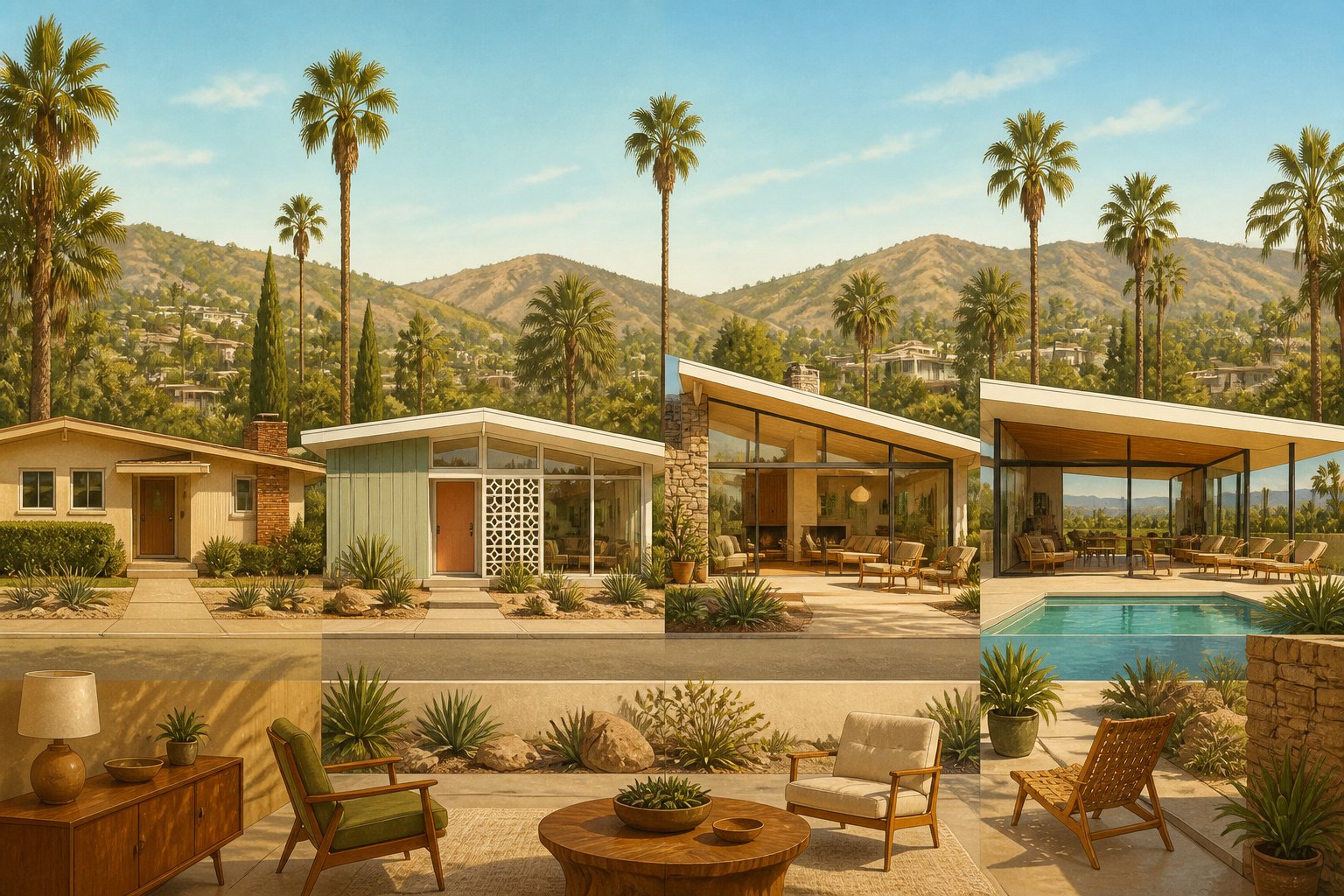
California modernism developed its own personality in the mid-20th century. It blended European design principles with the West Coast’s relaxed lifestyle and natural beauty.
The movement created homes that felt both sophisticated and comfortable, perfectly suited to Southern California’s climate and culture.
California’s Unique Take on Mid-Century Modern
When mid-century modern architecture arrived in California, it transformed into something warmer and more inviting than its European roots. I’ve noticed that California mid-century modern homes moved away from the stark, austere look of Bauhaus design.
Instead, they embraced organic forms, natural textures, and warm colors. The region’s mild climate played a major role in shaping this style.
Architects designed homes that blurred the lines between indoor and outdoor spaces. Large windows, sliding glass doors, and open floor plans became standard features.
Key differences from traditional modernism:
- Warmer, more inviting materials
- Strong connection to outdoor spaces
- Integration with natural landscapes
- Emphasis on comfort and livability
The Mediterranean climate meant homes didn’t need heavy insulation or small windows. I find this freedom allowed designers to experiment with expansive glass walls and open-air courtyards.
Origins and Architectural Pioneers
Mid-century modern architecture in Southern California emerged after World War II. The region faced a housing shortage as returning soldiers needed affordable homes.
This created demand for innovative residential designs that could be built efficiently. Architects developed solutions that were both practical and beautiful.
They used new materials like steel, glass, and plywood in creative ways. Post-and-beam construction became popular because it was cost-effective and allowed for open interiors.
The 1930s through 1960s marked the peak of this movement. Southern California’s lack of rigid social traditions gave architects freedom to experiment.
They weren’t bound by historical styles or conventional expectations.
The Lasting Legacy in Southern California
California modernism continues to influence architecture and design today. The principles of indoor-outdoor living remain central to Southern California’s residential design.
Contemporary architects still reference mid-century modern elements in new projects. I see the style’s impact in how people think about luxury and comfort.
The clean lines, natural materials, and integration with landscape have become defining features of California living. These homes proved that modern design could be warm and welcoming.
The movement also changed expectations about housing affordability and style. Mid-century modern showed that beautiful, well-designed homes didn’t have to be expensive or ornate.
This democratic approach to design still matters in today’s housing market.
Iconic Homes and Landmarks to Explore
Southern California showcases some of the finest examples of mid-century modern architecture. From celebrated hillside residences with sweeping glass walls to lesser-known masterpieces tucked into unexpected neighborhoods, these landmarks really show off the movement’s core principles.
They use innovative materials, seamless indoor-outdoor integration, and bold geometric forms.
Famous Residences: Stahl House and Twin Palms
The Stahl House, also known as Case Study House #22, stands as one of the most photographed homes in the world. Perched in the Hollywood Hills, this 1960 Pierre Koenig design features floor-to-ceiling windows that frame panoramic views of Los Angeles.
The cantilevered structure appears to float above the city, with its glass walls creating an uninterrupted connection between interior and exterior spaces. In Palm Springs, Twin Palms represents a different facet of mid-century modern design.
Built in 1947 for Frank Sinatra, this E. Stewart Williams creation includes a piano-shaped pool and post-and-beam construction. The home’s butterfly roof and walls of glass exemplify the desert modernism style that made Palm Springs famous.
Both residences demonstrate how architects used innovative structural systems to maximize views and natural light while maintaining clean, horizontal lines.
Architectural Marvels in Public Spaces
Several public buildings showcase mid-century modern design principles that anyone can visit. The Eames House in Pacific Palisades serves as a museum today, preserving the living quarters and studio of designers Charles and Ray Eames.
This Case Study House #8 uses prefabricated materials in a colorful, modular composition. The LAX Theme Building, with its futuristic arches and elevated restaurant, captures the optimism of the Space Age era.
Its distinctive parabolic design has become synonymous with Los Angeles architecture. Many municipal buildings from this period feature clerestory windows and open floor plans.
These design elements brought natural light deep into interior spaces while maintaining privacy.
Hidden Gems in Los Angeles and Beyond
Beyond the famous landmarks, plenty of mid-century modern neighborhoods hide architectural treasures that deserve a closer look. The Eichler homes scattered throughout Orange County showcase post-and-beam construction, radiant floor heating, and big glass walls that open living spaces to private atriums.
Crestwood Hills in Brentwood holds over 150 homes designed by A. Quincy Jones and Whitney R. Smith. These hillside houses use simple materials like redwood and glass to create affordable, elegant living environments.
The Inland Empire has its own gems, including Alexander Homes in Palm Springs. These tract homes brought mid-century modern design to middle-class buyers with smart layouts and those striking butterfly rooflines.
The Bailey House in the Hollywood Hills shows how architects used cantilevers and glass to add drama. Its suspended living spaces and minimal structure really pushed the limits of what builders could do in the 1950s.
Design Elements and Interior Style Choices
Mid-century modern interiors in Southern California blend minimalist looks with warm, inviting touches. Color, hand-picked furnishings, and a balance of vintage and modern details set the tone. The style leans on natural materials like wood and leather, plus geometric patterns and clean lines that define the era.
Bold Colors and Playful Patterns
Honestly, mid-century modern spaces really come alive with their bold color palettes. The style isn’t shy about rich hues like mustard yellow, burnt orange, avocado green, and teal blue.
You’ll usually see these colors on accent walls, upholstery, or standout furniture—not everywhere at once. Geometric patterns pop up in wallpaper, textiles, and decor. Atomic shapes, starbursts, and abstract forms show up on throw pillows, rugs, and art.
Balancing these vibrant touches with neutral backgrounds is key. Warm wood and white walls let the colors shine without making the space feel chaotic.
Furniture and Decor Inspirations
Mid-century modern furniture focuses on function and sculptural beauty. I look for clean lines, organic shapes, and pieces with tapered legs or low profiles.
Natural materials like walnut and teak show up in credenzas, dining tables, and storage. Leather and wool add texture to seating.
Some iconic elements:
- Lounge chairs with molded plywood or leather
- Low-slung sofas with wood frames
- Floating credenzas and sideboards
- Kidney-shaped coffee tables
- Sculptural lighting fixtures
I like to mix in rattan and stone accents to tie the space to California’s outdoors. These materials add warmth but keep the look simple and sophisticated.
Mixing Retro and Contemporary Touches
To create a genuine, livable mid-century modern space, I mix vintage pieces with modern updates. An original lounge chair anchors the room, while new lighting or tech keeps things practical.
Modern elements, like updated fixtures or smart devices, fit in if they respect the original design vibe. I sometimes use custom room dividers with geometric patterns to break up spaces without closing them off.
It works best when new additions stick to clean lines and simple forms. I steer clear of ornate modern pieces that clash with mid-century style. Updates to kitchens and baths should use current appliances but keep the era’s look with the right materials and hardware.
Embracing the Southern California Mid-Century Modern Lifestyle
Living in a mid-century modern home is more than just owning a piece of history. It’s really about embracing a lifestyle that values nature, simple beauty, and design choices that actually work for modern life.
Indoor-Outdoor Living in Today’s Homes
The hallmark of California mid-century modern design is the easy flow between indoors and outdoors. Big sliding glass doors and floor-to-ceiling windows erase the line between your living room and backyard. Suddenly, rooms feel twice as big.
I’ve watched how this setup changes everything. You can throw a dinner party and guests wander from kitchen to patio without missing a beat. Kids play outside while you keep an eye on them from inside. Sunlight pours in and you barely need to flip on a light during the day.
Modern homes keep this tradition alive with retractable walls and covered outdoor spaces. Outdoor kitchens, fire pits, and comfy seating zones stretch your living area. Tons of Southern California homes now feature these updated indoor-outdoor elements that nod to the past but work for today.
Sustainability and Modern Comforts
Mid-century modern principles naturally match up with today’s green building ideas. Open floor plans cut down on heating and cooling needs. Huge windows bring in daylight and help with passive solar warmth. Those architects knew what they were doing, even before “eco-friendly” was a buzzword.
I always recommend modernizing these homes with new systems while keeping their spirit. Try energy-efficient windows that look like the originals. Add solar panels that blend with the roof. Radiant floor heating—just like Eichler used—still works wonders.
Key Sustainable Updates:
- LED lighting in period-appropriate fixtures
- Smart thermostats that make sense with open layouts
- Low-flow plumbing for bathrooms
- Native landscaping to save water
Natural materials like wood, stone, and glass stick around for a reason. They hold up over time and don’t need replacing like synthetic stuff does.
Tips for Bringing the Look Home
You don’t have to buy a vintage mid-century house to get the vibe. Start with the furniture and details that define the style. Look for clean lines, tapered legs, and simple shapes.
I focus on a few standout pieces instead of crowding every corner. An Eames lounge chair or a teak credenza can set the mood. Mix vintage finds with good-quality reproductions to keep things affordable.
Essential Design Elements:
- Warm wood tones in walnut or teak
- Geometric patterns in textiles and art
- Statement light fixtures
- Low-profile furniture
- Minimal window coverings
Pick natural materials over synthetics whenever you can. A wool rug just feels better than polyester. Real wood gets more character as it ages. Stick with earth tones, whites, and a few pops of mustard or orange for color.
Clear out clutter and let pieces breathe. Mid-century design is as much about open space as it is about the objects. This approach calms a room and makes it feel bigger than it is.
Frequently Asked Questions
Mid-century modern homes spark lots of questions—everything from spotting real features to picking the right neighborhood and keeping these classics in good shape.
What features make a house truly mid-century modern in Southern California?
I look for clean lines and low-profile roofs first. Authentic homes have big windows that flood the space with light and connect inside to outside.
Open floor plans matter too. Rooms flow together without extra walls, which was a big change from older home layouts.
Flat or gently sloped roofs, exposed beams, and very little ornamentation set the exterior apart. Inside, I always notice wood, stone, and glass used throughout.
Outdoor living areas are a must here. Patios, courtyards, or sliding glass doors that blur the line between inside and out are everywhere.
Where are the best neighborhoods in Los Angeles to find mid-century modern homes?
The Hollywood Hills have some of the most famous examples of mid-century modern architecture. I’ve seen jaw-dropping homes tucked into the hillside with sweeping views.
Palm Springs, though technically outside LA, is a hotspot for mid-century fans. The desert setting inspired some of the most creative designs from that era.
Pasadena mixes several architectural styles, but you’ll find well-kept mid-century homes in a few neighborhoods. The Eichler communities are especially worth checking out.
The San Fernando Valley boasts entire neighborhoods of mid-century homes, especially in Sherman Oaks and Encino. These areas popped up during the post-war housing boom.
Are there still affordable mid-century modern homes for sale in California, and what affects the price?
Honestly, affordable options are getting rare as demand grows. Location drives price more than anything—homes in hot neighborhoods cost a premium.
The home’s condition makes a big difference. Original features in good shape add value, but a fixer-upper might be cheaper (though you’ll probably spend more fixing it).
Homes by famous architects come with a hefty price tag. That name recognition can add hundreds of thousands to the listing.
Smaller homes on modest lots, especially outside the city center, offer the best shot at a deal.
What should I look for when buying a mid-century modern home to avoid costly repairs?
I always check the roof first—flat or low-slope roofs can leak if you don’t keep up with maintenance. Water damage spreads fast in these structures.
Large glass windows look amazing, but if the seals have failed or they’re single-pane, you might face high energy bills or need expensive replacements. Custom window sizes can drive up costs.
The foundation and post-and-beam structure need a close look. Some of these homes sit on hillsides or use unique framing, so it’s smart to hire someone who knows what to look for.
Watch out for any DIY additions or changes. Bad remodels can create both design headaches and structural issues.
Plumbing and electrical from the ’50s or ’60s often need upgrades. They’re not always obvious problems, but fixing them can get pricey.
Who are the most influential architects behind Southern California’s famous mid-century modern homes?
Richard Neutra stands out for his celebrated mid-century modern homes in Los Angeles. He really focused on blending buildings with their surroundings.
John Lautner made bold, innovative homes that stretched the limits of design. His houses often have dramatic shapes and impressive engineering.
Pierre Koenig built Case Study Houses that became icons. He showed how modern design could be affordable and beautiful at the same time.
Rudolph Schindler helped shape early modern architecture in Southern California. His influence carried over to later architects.
Joseph Eichler, while not an architect himself, worked with top designers to build thousands of accessible mid-century modern homes. His developments brought the style to everyday families.
How can I update a mid-century modern interior while keeping its original character?
I try to keep original features like exposed beams, stone fireplaces, and built-in furniture. Those details really set the tone and honestly, you just can’t fake them.
When it comes to appliances and fixtures, I stick with simple, clean-lined designs. Stuff with chrome, wood, or matte finishes feels right—ornate or super-trendy options just throw off the vibe.
The color palette should stay close to the era, but not feel stale. I lean into earth tones, warm woods, and the occasional pop of orange, turquoise, or mustard yellow—those classic mid-century hues.
Kitchens and bathrooms are tricky. I like to keep the original layout and the main design elements, but I’ll swap in new countertops or period-inspired cabinets, and update the plumbing to make things work better.
Lighting is a big deal. Mid-century designers made some amazing fixtures, so I either restore the originals or hunt down good reproductions that actually fit the space.
Lifestyle Searching for Home Buyers in California
Southern California New Townhomes for Sale
Southern California Homes with Private Boat Docks