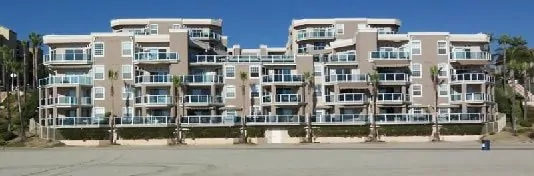

Is a Long Beach Loft a Good Investment? It can be a solid investment—if you know what you’re after. Read more about Long Beach lofts on RedWagonTeam.com.
This coastal city’s downtown keeps growing, drawing in young professionals and creative folks who love that urban energy. Long Beach lofts usually see good rental demand and appreciation, especially downtown, but your success depends on location, timing, and what you want out of your investment.

I’ve watched the Long Beach market shift and change over time. The city’s got that California coastal vibe, but without LA or OC’s sky-high prices.
Lofts here pull in a certain crowd—people who want open spaces, walkability, and a strong arts scene. But the investment picture isn’t always straightforward.
You’ve got to consider rental yields, HOA fees, neighborhood trends, and what sets this market apart from typical condos or houses. Let’s get into what you should know before putting your money into a Long Beach loft.
Key Takeaways
- Long Beach lofts can deliver strong returns in the right neighborhoods, especially where young professionals want to rent
- Location is huge—downtown and arts district lofts usually do better than those farther out
- Knowing the market cycles, HOA costs, and the unique loft lifestyle helps you make a smarter call
Understanding Loft Living in Long Beach
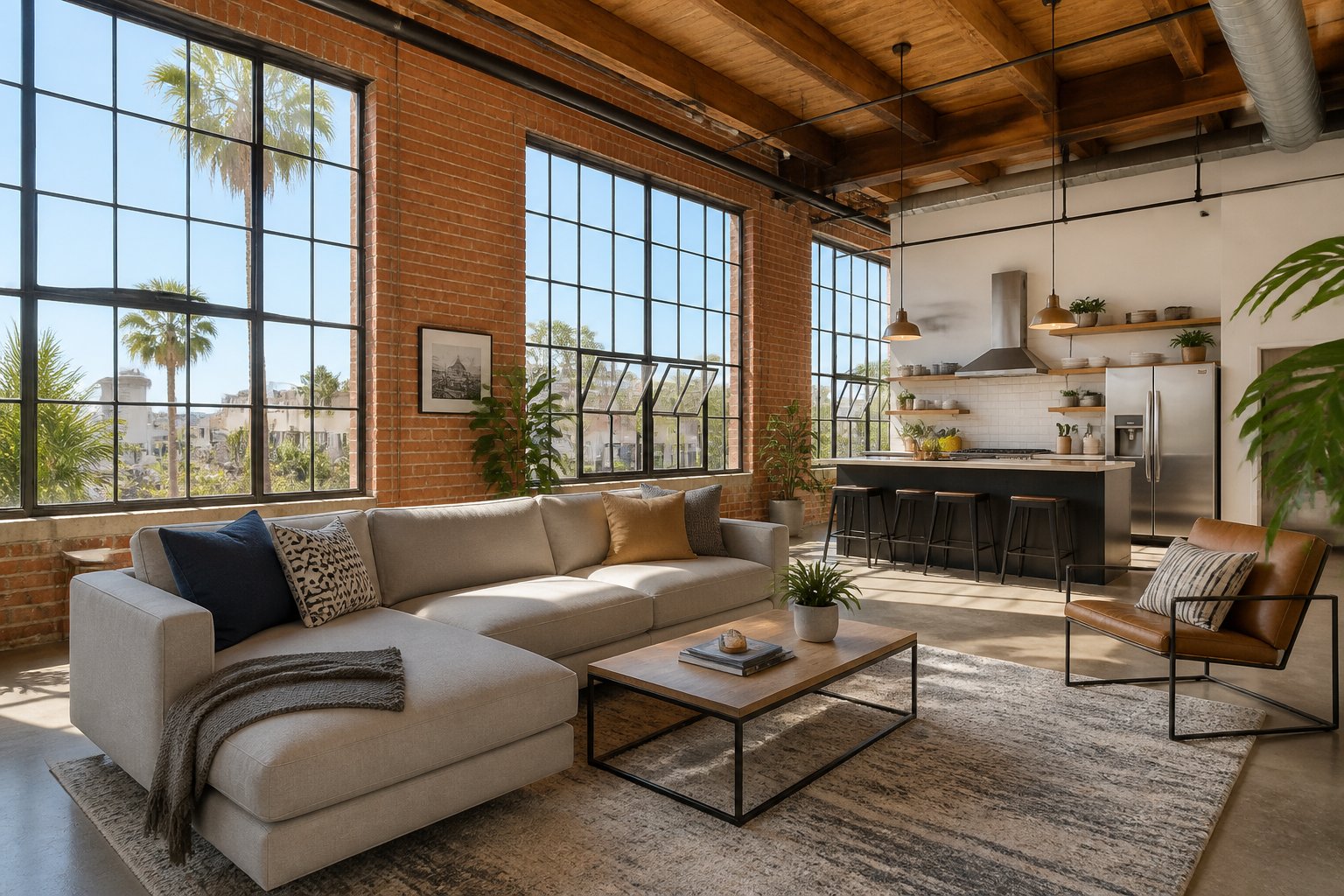
Long Beach lofts offer a different kind of city living. There’s that industrial charm mixed with modern convenience, especially downtown where old buildings now house residents.
What Makes a Loft Unique?
Lofts aren’t like regular condos or apartments. Open floor plans, industrial touches, high ceilings—these are the things that make them stand out.
I see a lot of exposed brick, big windows, and not many interior walls. That freedom lets you set up your space however you want.
Most Long Beach lofts used to be warehouses or department stores. The conversions keep things like concrete floors, steel beams, and even those old freight elevators. Each one has its own personality—definitely not cookie-cutter.
Some Long Beach lofts are zoned for live/work. You can actually run a business from home, which is a huge draw for entrepreneurs and creatives.
Types of Lofts and Notable Developments
There are basically two kinds of lofts here: adaptive re-use projects and soft lofts. Adaptive re-use means old buildings turned residential. Soft lofts are new builds that just look like old-school lofts.
Kress Lofts was one of the first. It started out as a department store in 1923 and became 49 lofts in the early ‘90s. That one really kicked off the trend.
The Walker Building Lofts came later, opening in 2002 after a big renovation. It’s right near Pine Avenue’s nightlife and has 39 condos plus some big penthouses.
Newberry Lofts is another one, with modern features like private balconies and in-unit laundry. Parking’s included, too—always a plus downtown.
Lifestyle and Amenities
Downtown is the heart of the Long Beach loft scene. People here love being able to walk to restaurants, bars, and the waterfront. The area’s changed a lot in the last few decades.
Most loft buildings come with secure parking, bike storage, and shared spaces. Some even have rooftop decks or gyms. Even in these old buildings, you’ll usually find updated appliances and systems.
Living in a loft means you’re up close with city life. You’ll have neighbors close by, unlike in places like Bixby Knolls or Belmont Shore. But you get to skip the car most days, which is honestly a relief.
Neighborhoods to Watch for Loft Investments
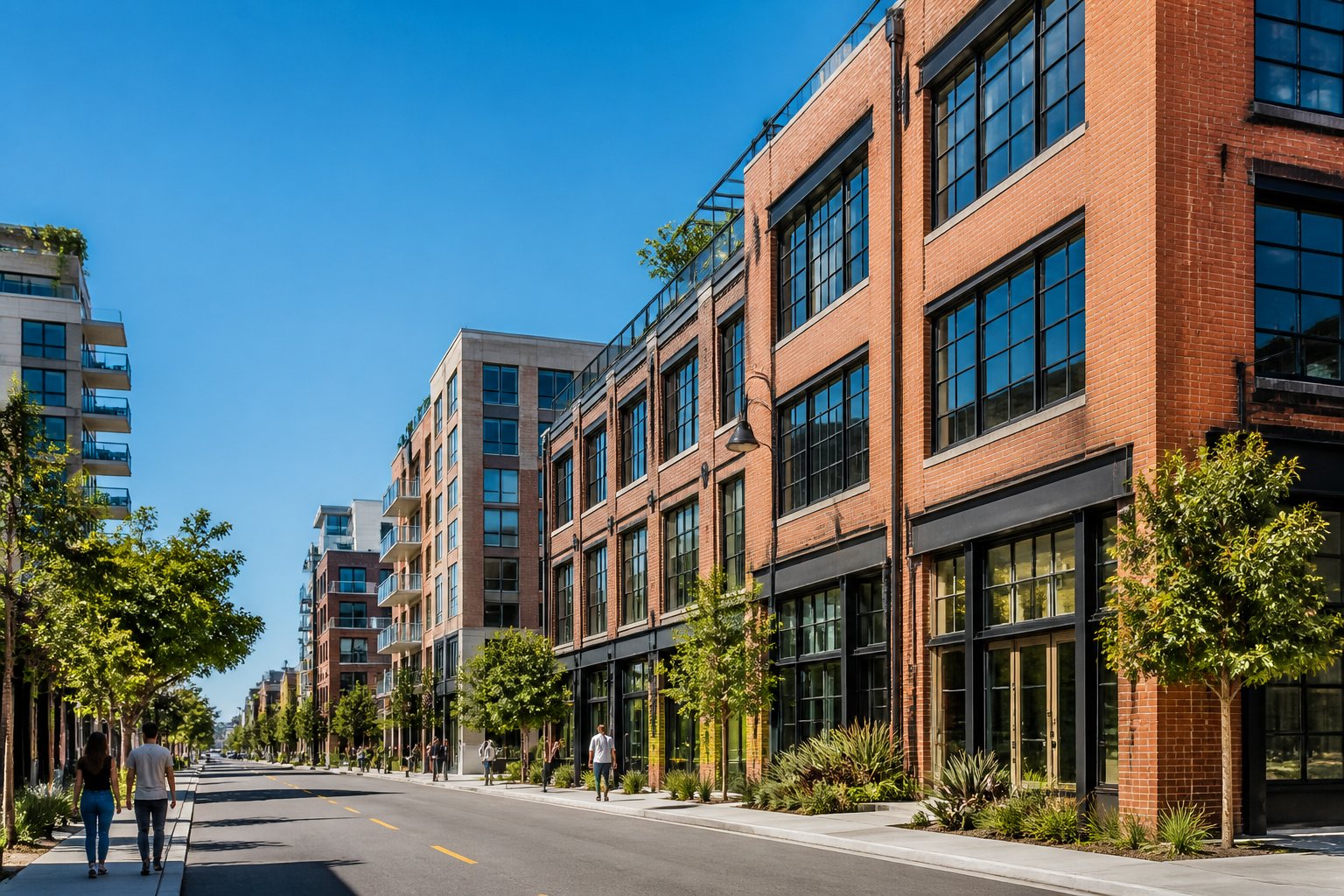
Not every Long Beach neighborhood is the same for lofts. I’ve got my eye on three spots that offer something different for buyers in 2026.
Downtown and the Loft Scene
Downtown is really where the whole loft thing took off. You’ll find the most converted warehouses and commercial spaces here.
The Walker Building Lofts are a standout. These places attract young professionals and creatives who want to walk to work or nightlife.
Downtown lofts usually have those classic features—high ceilings, exposed brick, open layouts. The area gets a boost from big development projects, like the Elevate ‘28 plan, which is pumping over a billion dollars into city improvements.
Downtown perks:
- Walk to restaurants and shops
- Easy access to the Metro Blue Line
- Strong rental demand from port and downtown workers
- Established loft community
Spotlight on Bixby Knolls and Belmont Shore
Bixby Knolls feels different—quieter but still urban. Converted commercial buildings line Atlantic Avenue, which is the main drag.
Families and professionals like it here for the calmer vibe. Lofts are usually smaller developments, not giant complexes.
Belmont Shore brings that waterfront energy. Classic lofts are rare, but I’ve seen new mixed-use buildings with loft-style units above shops. The beach location costs more, but you might see better appreciation over time.
Rising Hotspots: Los Cerritos and Beyond
Los Cerritos is one I’m watching. It’s near the big shopping center and is seeing a lot more development lately.
There aren’t as many established lofts here, but entry prices are lower. New buildings are popping up with loft-style condos and apartments.
Renters here often work in nearby offices and want something affordable. The whole area’s getting a boost from Long Beach’s housing boom—over 5,200 units approved in the last three years.
Market Trends and Investment Fundamentals

Long Beach’s real estate market is bouncing back in 2026. Median prices are around $729,000, with some year-over-year growth.
You’ve got to look at demand, price trends, and what local employers are doing to really know if a loft is a smart buy.
Current Housing and Rental Demand
Rental demand looks strong right now, thanks to the coastal location and all the downtown revitalization. The city approved 747 ADU permits in 2024 alone, which says a lot about landlords chasing rental income.
Properties aren’t sitting long—days on market are below the national median. Buyers are competing for what’s out there.
The condo and loft market has steady activity, especially downtown. Young professionals and students want to live near jobs and Cal State Long Beach. Those old-school adaptive reuse lofts in downtown keep their tenants because of their character and location.
Price Trends and Value Appreciation
Home prices in Long Beach bottomed out in late 2025 and have started climbing. Forecasts call for 2% to 4% price growth through 2026, which actually beats the LA County average.
The median listing price is $729,000, up 1.4% from last year. Price per square foot is also rising. I like to keep an eye on recently sold condos to see what people are really paying.
Downtown lofts seem to hold their value better than generic condos. There’s just not a big supply of cool, historic buildings, so they stay in demand.
The Impact of Education and Employers
Cal State Long Beach brings in over 39,000 students and a ton of faculty and staff. That creates a steady stream of renters who want to live nearby.
The Long Beach Unified School District is a big employer, too. People working in education often look for homes close to work, which keeps values up.
The Port of Long Beach and Boeing are still major job centers. That brings in steady income earners who need housing, whether they’re renting or buying. Having a mix of employers makes the market a bit more stable, even when one sector has a rough patch.
Pros and Cons of Buying a Loft
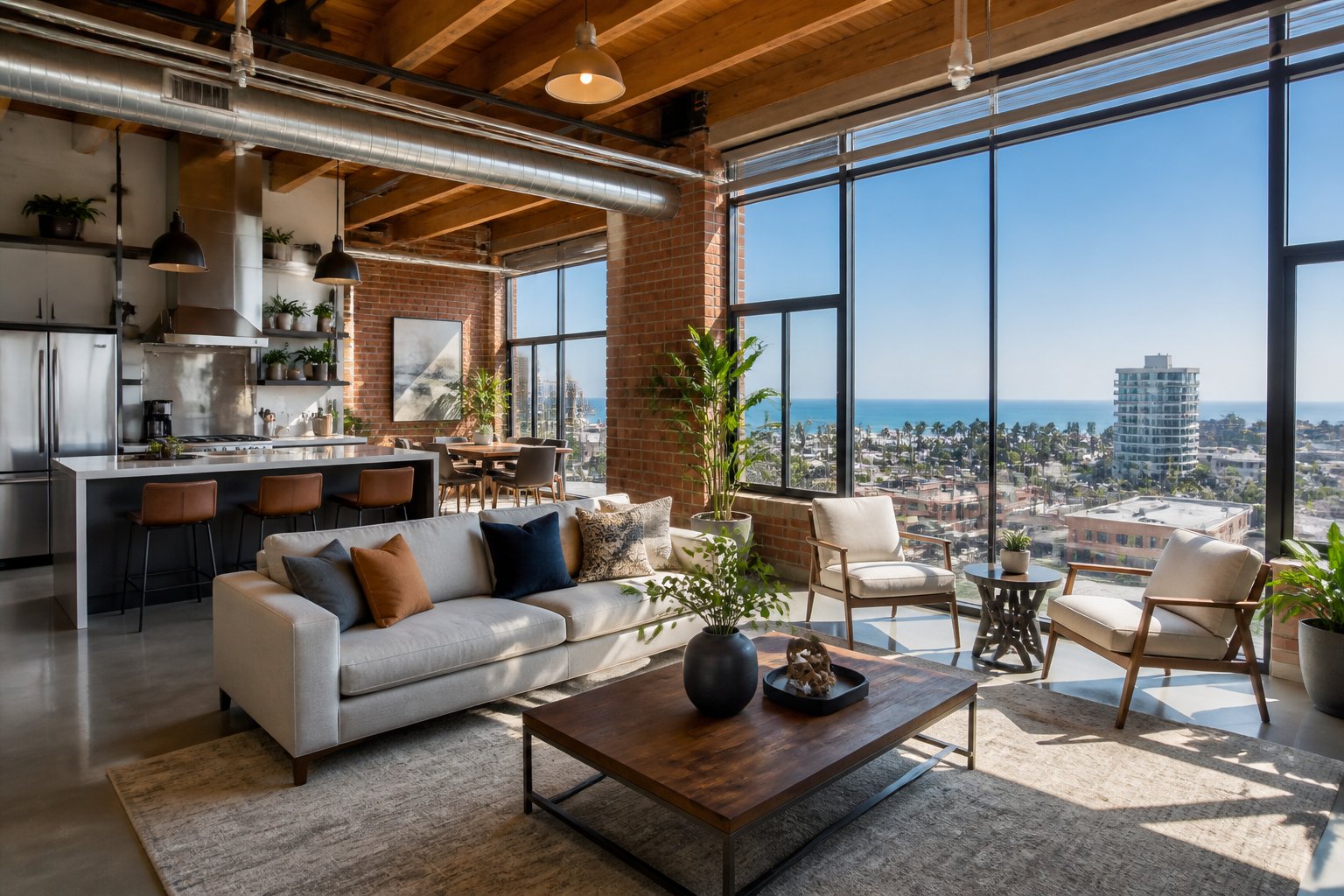
Loft investments come with their own set of perks and headaches. Open layouts and that city vibe are great, but you’ve got to know about privacy, energy bills, and what happens when it’s time to sell.
Advantages for Investors
Lofts have a bunch of upsides for investors. The open, airy layouts and big windows draw in young professionals and creatives. That unique look often means you can charge higher rent.
You usually get more space for your money compared to a standard apartment. Tenants love having a blank canvas to set up their place. Most lofts are in downtown buildings, so renters can walk to everything.
Industrial details—brick, concrete, those massive windows—pull in a certain crowd willing to pay a premium. Maintenance can be lower, too, since there aren’t as many walls to fix up.
Potential Drawbacks to Consider
Privacy is a real issue in lofts. With few walls, there’s not much separation between living areas. Noise travels, which can get annoying.
Energy bills can be high, especially with those tall ceilings and huge windows. Most of these buildings weren’t built for modern insulation.
Storage is tight. No walk-in closets or extra rooms, so you have to get creative. That’s a deal breaker for some people, especially families or folks with a lot of stuff.
The renter pool is a bit smaller, too. Lofts mostly attract singles or couples, so you’re not reaching as many potential tenants as with a regular apartment.
Unique Challenges of Loft Ownership
I always tell buyers: work with an agent who really gets lofts. These places have quirks that not everyone knows how to handle.
Resale value isn’t always predictable. Lofts are trendy now, but tastes change. What’s hot today might not be in a few years.
HOA rules and building regulations can get weird in converted industrial spaces. Sometimes you can’t make certain changes, or the fees are structured in unexpected ways.
Parking is another thing. Not every building has enough, and sometimes you have to pay extra or there’s no parking at all. That can turn off renters who need a spot for their car.
Cultural and Lifestyle Influences on the Loft Market
Long Beach has a thriving arts community. Ongoing urban renewal here directly shapes loft values and buyer interest.
These cultural factors make loft living more appealing, especially to people who care about creativity and community engagement.
Arts, Museums, and the Creative Scene
I’ve noticed Long Beach draws in artists, creatives, and young professionals who want to be near cultural amenities. The Museum of Latin American Art stands out as a major draw and really adds to the neighborhood’s vibe.
The downtown arts district creates a lively atmosphere that attracts loft buyers. Galleries, performance spaces, and creative venues pop up around buildings like the Walker Building Lofts.
This cluster of cultural activity boosts the appeal of these properties. Artists and creative professionals often go for lofts because of the open floor plans and high ceilings—they just work for studios or creative workspaces.
Theaters, music venues, and art walks within walking distance sweeten the deal. It’s a lifestyle thing, and it definitely drives loft demand in Long Beach.
Community and Urban Revitalization
Downtown Long Beach has seen major revitalization in recent years. New restaurants, bars, and entertainment spots keep opening up, so the area’s always changing.
This buzz brings more foot traffic and makes loft living more attractive. I see young professionals and entrepreneurs picking downtown lofts for the walkable, urban vibe.
Revitalization efforts have improved safety and added amenities, so you can live here without really needing a car. Property values in these areas often rise as neighborhoods get more desirable.
Ongoing investment in infrastructure and public spaces hints at more growth ahead. That makes lofts in these neighborhoods more appealing for the long haul.
Working With Real Estate Professionals
Finding lofts in Long Beach means tapping into the MLS database and building relationships with agents who know the downtown scene. I’ve found that experienced local pros help you spot good deals and avoid rookie mistakes.
Finding Lofts on MLS and Through Agents
The MLS is where most loft listings show up before they hit public sites. Real estate agents, such as Jay Valento and Lorene Morgan, each have over 33 years of experience in real estate.
I recommend working with agents who focus on downtown Long Beach. They know which buildings have solid HOA reserves and which ones might have issues.
These folks can also tip you off to pocket listings that never make it to the MLS. When buying a loft in downtown Long Beach, your agent should pull comps to help you make a strong offer.
They’ll know the average price per square foot in different buildings and what amenities push prices higher.
Tips for Navigating the Long Beach Market
The Long Beach loft market moves quickly, especially for units with good rental potential. I suggest getting pre-approved for financing before you get too serious.
Real estate professionals can connect you with lenders who actually understand investment properties. Ask your agent about rental restrictions in different loft buildings—some HOAs only allow a certain number of rentals at a time.
Your agent should also know about new developments that might affect values. Tour multiple buildings at different times of day. Check out the parking situation, noise, and how well the place is maintained.
Good agents will point out red flags like deferred maintenance or special assessments that could mess with your returns.
Frequently Asked Questions
Loft buyers in Long Beach ask me a lot of the same things—mostly about returns, resale potential, and what to expect from monthly costs. The answers really depend on the building and whether you’ll live there or rent it out.
What’s the typical ROI on a loft in Long Beach compared to a regular condo?
Long Beach lofts usually generate returns similar to traditional condos, but the numbers swing a bit depending on the building and neighborhood. I’ve seen investors earn between 4% and 7% annually when you add up appreciation and rental income. Industrial-style lofts in the East Village often have lower prices per square foot than newer waterfront builds. That can mean better cash-on-cash returns if you’re renting. But luxury lofts in prime spots tend to appreciate faster, which helps your long-term gains. Lofts attract a specific type of renter or buyer. This can work in your favor in a strong market, but sometimes it takes longer to find the right person when it’s time to sell or lease.
Are industrial lofts in Long Beach harder to resell than newer builds?
Industrial lofts can take longer to sell because they appeal to a smaller crowd. Not everyone wants exposed brick, concrete floors, and open ductwork. I’ve seen authentic industrial lofts with character attract passionate buyers who pay fair prices. The trick is just finding those buyers. Your loft might sit on the market a few weeks longer than a modern unit with traditional finishes.
Do Kress Lofts usually hold their value better than other downtown lofts?
The Kress Lofts building has a strong reputation in Long Beach. Its historic character and location on Pine Avenue make it popular with both buyers and renters.
Is it easier to cash flow a Long Beach loft as a rental or is it mostly a long-term play?
Cash flow on Long Beach lofts feels pretty tight for most investors in 2026. With prices and interest rates where they are, you’ll probably need to put down at least 25%—maybe even 30%—just to break even each month.
Most people I talk to seem to treat these lofts as long-term appreciation bets. Sure, you might squeeze out a little positive cash flow, maybe $100 to $300 per month, but the real hope is that the property’s value goes up over time.
Honestly, the best cash flow deals I’ve come across are in older industrial lofts that folks bought years ago at much lower prices. If you’re buying today, it’s probably going to take some patience and a longer timeline to see real returns.