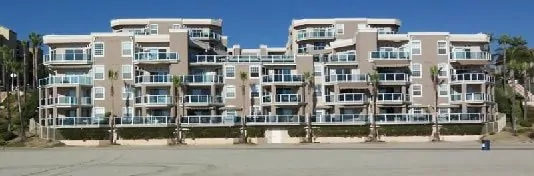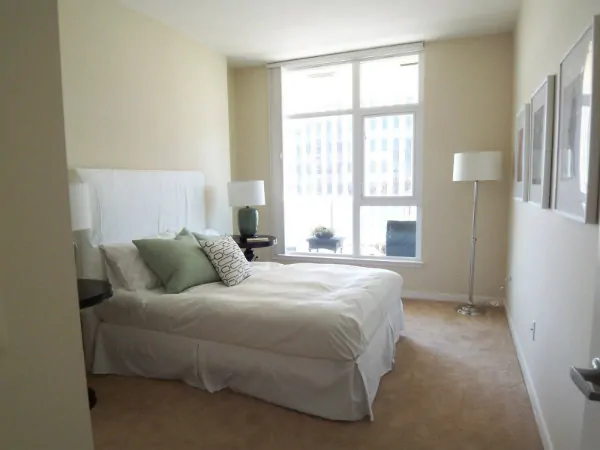

Downtown Long Beach has really grown into one of Southern California’s most exciting places to live. You’ve got waterfront views, city energy, and a bunch of historic buildings that give the whole area a unique vibe.
Lofts are a huge part of the appeal here. They offer open spaces, high ceilings, and that urban style so many people are after. If you’re thinking about making the move, you’re probably wondering where to even begin.

Buying a loft in Downtown Long Beach means you need to know the local market, figure out your financing, and work with a solid agent. Once you get the hang of the steps, finding your ideal spot feels a lot less overwhelming.
I put this guide together to walk you through everything. We’ll cover what makes these lofts special and how to actually close the deal.
Downtown Long Beach lofts have their own quirks, whether you’re a first-time buyer or you’ve done this before. From the different building types to what living here is really like, I’ll help you make a smart decision.
Understanding Downtown Long Beach Lofts
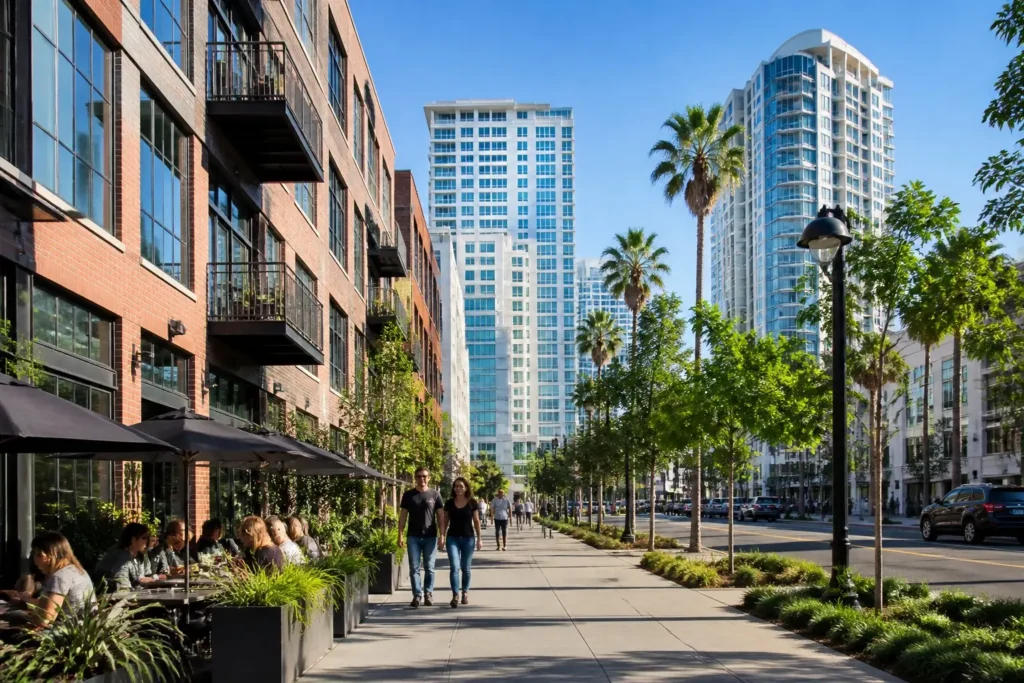
Downtown Long Beach has all kinds of loft-style properties, mixing old-school architecture with modern urban living. These places pull in buyers who want open layouts, tall ceilings, and a walkable city vibe close to the water.
Types of Loft Properties
I usually see three main types of lofts around here. Hard lofts are the real deal—converted from old factories or warehouses built before the 1950s. You’ll get original brick walls, exposed ducts, concrete floors, and massive windows.
Soft lofts are newer. They’re built to look industrial but have modern perks like central AC and updated wiring. If you want the loft look without the headaches of old buildings, these are a safe bet.
Live-work lofts give you a combo of home and workspace, sometimes with ground-floor commercial space. I think they’re perfect for creatives, business owners, or anyone who needs a legit home office with street access.
Unique Features and Lifestyle
Most Long Beach lofts have some things in common. Ceilings are usually 12 to 20 feet high, so you get that dramatic open feel. The big industrial windows let in tons of sunlight.
Layouts are open, so you can arrange things however you want. Many don’t have traditional bedroom walls—just partial dividers or clever layouts. Exposed brick, concrete, and metal beams bring a ton of character.
Living downtown means you can walk to restaurants, bars, coffee shops, and hop on the Metro Blue Line. The beach is just a few minutes away. Honestly, I love how you can get by without a car for most errands.
Popular Loft Buildings and Locations
The East Village Arts District has the most authentic loft conversions. It’s packed with galleries, studios, creative businesses, and some cool residential buildings.
Artist Lofts come with privacy gates and that boutique feel. Temple Lofts at 835 Locust has 82 big units in a historic building. Courtyard Lofts, built in 1926, has multi-level units with private decks and chef kitchens close to Alamitos Beach.
Inventory changes a lot in these smaller buildings. Most have 20 to 100 units, so things move fast. Along Ocean Boulevard, you’ll find newer soft lofts with marina views and amenities that feel pretty resort-like.
Financing Your Loft Purchase

Getting the right financing is a big deal when you’re buying a loft in Downtown Long Beach. Lofts can need a different approach than standard houses, so knowing your mortgage options and getting pre-approved early is key.
Mortgage Options for Lofts
I’ve noticed that financing a loft isn’t always the same as a regular home loan. A lot of these places are converted from old warehouses or commercial buildings, so some lenders see them as a bit outside the norm.
Conventional loans usually work for lofts in established buildings with proper zoning. You’ll probably need 10-20% down and the rates are decent. FHA loans might be an option if the building qualifies, letting you get in for as little as 3.5% down.
If you’re looking at live/work lofts or super unique conversions, you might need special financing. Some lenders actually prefer these properties and know the Downtown LB market pretty well.
It’s smart to shop around. Different banks have their own comfort zones with lofts, and rates can be all over the place. Some lenders really get urban properties—others, not so much.
Non-Warrantable Loans
Not every loft building qualifies for standard loans. This can happen if the place doesn’t meet the usual lending rules.
Buildings become non-warrantable if more than half the units are rented, if one person owns too many units, or if the HOA’s reserves are low. Live/work spaces and spots with a lot of commercial use often fall into this group.
Your options in these cases:
- Portfolio loans from local banks
- Credit union financing
- Non-QM (non-qualified mortgage) loans
- Bigger down payments—think 25-30%
These loans usually mean higher interest rates and stricter requirements. I’ve seen rates about half a percent to a full percent higher than normal. Sometimes it’s worth it for the right place, but you’ll want to budget for it.
Pre-Approval Process
I always tell people: get pre-approved before you start looking. Sellers take you more seriously, and you’ll know exactly what you can afford.
Gather your financial stuff—tax returns, pay stubs, bank statements, and a rundown of your debts. Lenders will check your credit, so it’s worth reviewing your report for mistakes first.
The lender checks your debt-to-income ratio and verifies your job. For lofts, they’ll also look at the building’s health and the HOA’s finances. Usually takes three to five business days.
That pre-approval letter gives you a leg up when you’re competing with other buyers. It shows sellers you can actually close, which is a big deal in a hot market.
Navigating the Buying Process

Buying a loft in Downtown Long Beach takes some attention to detail. You need to check out properties in person, understand how the HOA works, and put together a strong offer if you really want to land your dream spot.
Touring and Selecting a Loft
When I check out lofts, I look at the space itself and the building’s condition. Ceiling height, natural light, and the layout are huge. Those exposed brick walls or concrete details? They’re what make these places stand out.
I like to visit at different times of the day to see what the noise is like. Bringing a tape measure is a must—you don’t want to find out your couch doesn’t fit. I always ask about parking, storage, and whether you can make changes to the unit.
Those big industrial windows are awesome for light, but they can impact your heating and cooling bills. I check the age of the HVAC, plumbing, and electrical systems, too. Snapping photos and taking notes during each visit helps a ton when you’re comparing places later.
Evaluating HOA Fees and Policies
HOA fees can be all over the map in Downtown Long Beach. They usually cover stuff like building insurance, maintenance, water, trash, and common areas. I always ask for the HOA’s financials to see if they’ve got enough in reserves or any big expenses coming up.
Reading through the CC&Rs is honestly not fun, but it’s necessary. You’ll find out about pet rules, rental restrictions, and what you can or can’t change in your unit. Some buildings limit short-term rentals or have strict pet size rules. Amenities can vary a lot, too—some even offer a free home warranty for new owners.
It’s worth asking how the HOA manages things and how often they meet. A solid HOA keeps the building in shape and deals with problems quickly.
Making a Competitive Offer
I work with my agent to look at recent sales of similar lofts nearby. That helps us figure out a fair offer that still stands out. In a busy market, you have to be ready for multiple offers.
Sometimes I’ll add a first-choice offer acceptance deadline to nudge sellers for a quick answer. Including your pre-approval letter shows I’m ready to go. I might offer a flexible closing date or limit contingencies if it helps my offer stand out.
My agent and I talk about using escalation clauses or other seller-friendly terms. Some places even offer a love it or leave it guarantee, which can be a nice safety net. I keep all my financing documents handy so I can move fast if my offer gets accepted.
Expert Help: Choosing the Right Real Estate Agent
Having the right real estate agent for your Downtown Long Beach loft search can save you money and a ton of stress. Agents who focus on this area know the ins and outs that regular agents might miss.
Benefits of Specialized Agents
A local agent, like Jay Valento, who knows lofts can spot the weird stuff—like bad soundproofing or aging HVAC systems—before you get too invested. They know which buildings have solid HOAs and which ones might have surprise issues.

I always look for agents who’ve closed a bunch of loft deals. They’re connected with inspectors and contractors who know these properties inside and out. Plus, they often have relationships with building managers and other owners, which means you might hear about listings before anyone else.
These agents also get the quirks of loft financing and can introduce you to lenders who are comfortable with these buildings.
VIP Buyer Advantages
Some top agents offer VIP programs with perks like early access to pocket listings. These are properties that never hit the public sites.
VIP buyers get priority for tours and quicker replies. Some agents even send out custom market reports by building or floor, which is pretty handy.
VIP programs often include partnerships with inspectors, movers, and contractors who know lofts. It saves time and money, which is always a plus during and after your purchase.
Living in Downtown Long Beach
Downtown Long Beach is a mix of waterfront views and urban buzz that makes owning a loft here genuinely rewarding. It’s the kind of place where you can feel part of a community, but still have the freedom to make your space your own.
Community and Amenities
Downtown Long Beach has this way of feeling like a real community, even though it’s right in the middle of the city’s buzz. The waterfront puts you close to the harbor, beaches, and the Pike, which is packed with entertainment.
Pine Avenue is where most of the action happens—restaurants, bars, shops—all within walking distance for most folks living here. The East Village Arts District draws in creative types and brings a cool, artsy vibe to the area.
Lots of loft buildings have privacy gates and are set up as smaller, more intimate complexes. That definitely helps you get to know your neighbors, which I think matters if you’re thinking about buying downtown long beach condos.
Most buildings offer fitness centers, rooftop hangouts, and secure parking. The walkability is a huge plus; I can hit up grocery stores, coffee shops, or even my dentist without ever needing to drive.
Public transit makes it easy to get to other parts of LA if you need to. That’s a big deal for commuters or anyone who likes to explore.
Customizing Your Loft Space
Loft living gives you way more creative freedom than a typical condo. Most properties have open layouts, high ceilings, and those industrial touches—think exposed brick or pipes—that people either love or hate.
I like that you can really make the space your own. No walls telling you where the living room ends and the office begins.
In the long beach condo market, lofts can be anywhere from 800 to 3,000 square feet. The old warehouse-style places are especially flexible. You can carve out different living zones with furniture, dividers, or even add a partial wall if you want.
Some buyers add mezzanine levels for a bedroom or office. That’s a smart way to get more usable space out of the high ceilings.
Industrial finishes work surprisingly well with modern or even eclectic design. I’ve seen owners get pretty creative with lighting, built-in storage, and all sorts of personal touches.
If you’re planning big changes, just double-check your building’s HOA rules first. Some are stricter than others.
Comparing with Other Loft Markets
Downtown Long Beach lofts sit in a pretty unique spot when you look at the bigger real estate picture. Prices and market vibes are all over the place depending on the city or country you’re comparing with.
International markets like Lebanon? Completely different ballgame, both in pricing and the stuff you have to think about as a buyer.
Lebanon and Beirut Loft Landscape
Beirut’s loft scene is honestly on another planet compared to Downtown Long Beach. Lebanon’s had some tough years—currency issues, banking problems, you name it.
But the market there is shaky. A lot of properties are priced in U.S. dollars, not Lebanese pounds, which makes things complicated for buyers.
Price Differences and Trends
Downtown Long Beach lofts usually fall between $500,000 and a bit over $1 million, depending on size and how fancy the finishes are. I’ve noticed most places average about $500 to $700 per square foot.
Key Price Comparisons:
- Downtown LB: $500-$700 per square foot
- Downtown LA: Pretty similar, though some high-end buildings go over $800
Market stability is a big difference. Long Beach benefits from California’s real estate laws and steady demand.
Global Real Estate Investment Insights
If you’re thinking about investing in lofts internationally, there’s a lot to weigh. Long Beach gives you clear property rights, straightforward transactions, and access to regular financing.
That makes it easier for first-time buyers, in my opinion. Markets like Lebanon might look cheaper, but there’s a lot more risk—political, economic, even currency swings.
I’d say match your risk tolerance to the market. If you want steady appreciation and fewer surprises, Long Beach feels like the safer bet. If you’re looking abroad, get local advice before you jump in.
Frequently Asked Questions
Buying a loft in Downtown Long Beach brings up a bunch of questions—costs, building features, what you’re actually getting into. Here’s what I’ve picked up working with buyers in these buildings.
What should I look for when viewing a loft in Downtown Long Beach?
Start with the ceiling height and natural light. Most lofts have tall ceilings (10 to 14 feet) and big windows that keep things airy.
Check the HVAC and insulation. Exposed ductwork looks cool, but sometimes it’s not the best for heating or cooling. Look closely at the floor plan. Since most lofts are open, you’ll want to think about how you’ll set up your living, sleeping, and work spaces.
Don’t skip the plumbing and electrical. In older buildings, ask when these were updated or if the place has had any major renovations.
How much do Downtown Long Beach lofts typically cost, and what extra fees should I budget for?
Right now, the median price for a Downtown Long Beach loft is about $605,000. The price depends on how big the unit is, what amenities the building offers, and exactly where it’s located.
HOA fees are a biggie—usually $300 to $600 a month. It depends on what’s included, so ask for details.
Remember property taxes, too. In California, that’s about 1.1% of the purchase price each year. Closing costs usually land between 2% and 5% of the home price.
Some buildings charge special assessments for big repairs. Always ask about upcoming assessments before you buy.
What financing options work best for buying a loft, especially in an older or converted building?
Most people use conventional loans for Downtown Long Beach lofts. You can sometimes get in with as little as 3% down, but 20% helps you dodge private mortgage insurance.
Some lenders get nervous about older converted buildings. I’d go with a lender who knows the local loft scene—they’ll know which buildings are solid bets for financing.
FHA loans are possible, but the building has to be FHA-approved. That depends on things like how many units are owner-occupied and whether the building’s finances are in good shape.
If you’re eyeing a historic building, ask about renovation loans. They let you roll the cost of updates into your mortgage.
Which Downtown Long Beach loft buildings are most popular with buyers, and how do they differ?
The Walker Building Lofts is a favorite. Built in 1929 and converted in 2002, it’s got 39 lofts and 7 penthouses, just steps from Pine Avenue’s restaurants and nightlife.
Every building has its own vibe. Some are super industrial with exposed brick and concrete, others lean more polished and modern.
Location makes a difference. Buildings closer to the waterfront or Pine Avenue usually cost more but put you right in the middle of everything.
People often choose based on amenities. Some buildings come with parking, gyms, or rooftop decks. Smaller buildings may skip the extras but usually have lower HOA fees.
Are there affordable or “cheap” loft options in Long Beach, and what trade-offs should I expect?
You can definitely find more affordable lofts in East Village. Prices start around $440,000, a bit east of the main downtown area.
Cheaper units usually come with trade-offs. Expect less space, fewer amenities, or a spot that’s farther from the beach and nightlife.
Some budget-friendly lofts could use updates. I’ve seen places with original fixtures—they work, but they’re not exactly modern.
Smaller buildings without elevators or parking tend to be less expensive. If you’re okay with stairs and street parking, you can save quite a bit.
What HOA rules and building restrictions should I review before buying a loft?
I always dig into the CC&Rs (Covenants, Conditions, and Restrictions) before buying. These documents basically lay out what you can and can’t do in your loft.
Some buildings really clamp down on renovations. You might have to get board approval just to remove a wall or swap out flooring.
Pet policies? All over the place. A few buildings let you have dogs and cats, but sometimes only certain sizes or numbers, and a couple even ban specific breeds.
Noise can be a touchy subject. There are usually rules about guests and short-term rentals, too.
Parking assignments and storage units show up in the HOA rules as well. It’s worth double-checking what’s actually included with your unit and what might cost extra.