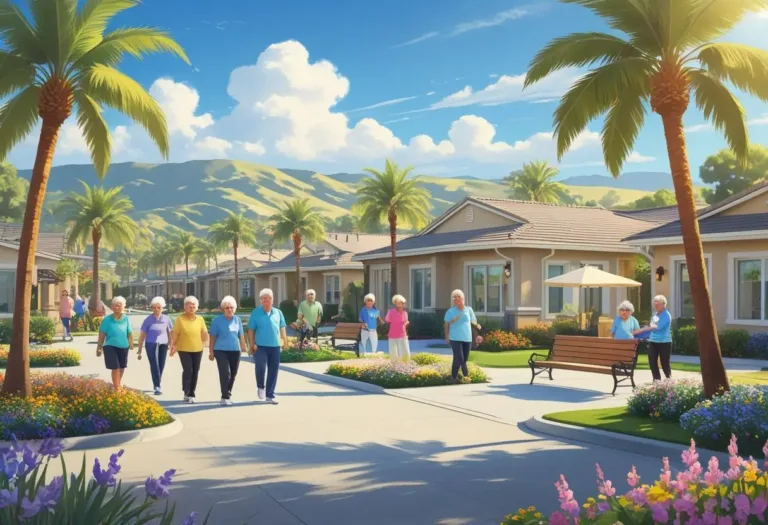

55 Places are covered on our website for active adult communities in Southern California stands out as one of the top states for active adult living. The state has hundreds of age-restricted communities for people 55 and older who crave an active, social lifestyle.
55+ communities in California run the gamut from affordable manufactured home parks to high-end resort-style developments.
Options stretch from San Diego up to Sacramento. You might love the sunny beaches of Southern California, or maybe the rolling hills and vineyards up north call to you. Either way, odds are good there’s a community that fits your style and budget.
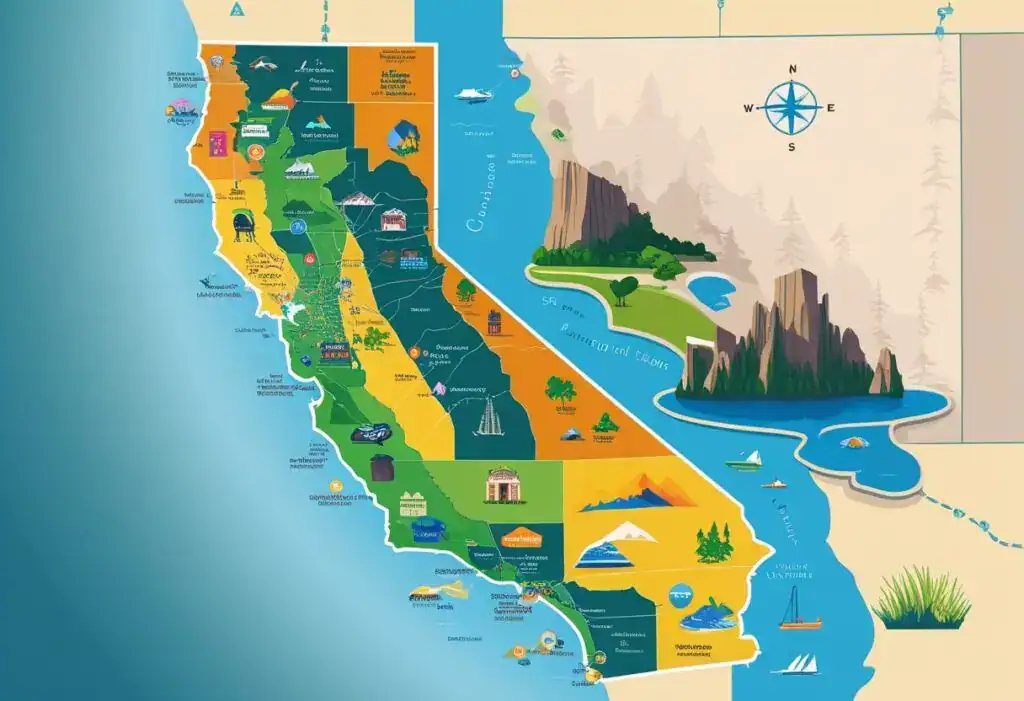
I’ve dug into what makes these communities unique and why so many retirees flock to California. The best 55+ communities don’t just offer age-restricted housing—they deliver resort-style perks like golf courses, fitness centers, pools, and clubhouses where you can stay active and meet people.
Lots of places also plan activities, classes, and social events so you can build friendships and really enjoy retirement. Finding the right spot takes some effort since California’s options seem endless.
From Palm Springs to the Bay Area and Orange County 55+ Places, every region brings its own vibe, climate, and price range. I’ll walk you through what to expect, how to choose, and spotlight some top communities worth a look.
Key Takeaways
- California has hundreds of 55+ communities, from budget-friendly to luxury, in every major region
- Most age-restricted neighborhoods feature amenities like pools, golf courses, fitness centers, and packed social calendars
- Picking the right community depends on your budget, location, preferred amenities, and whether you want independent or assisted living
What Are 55+ Communities in California?
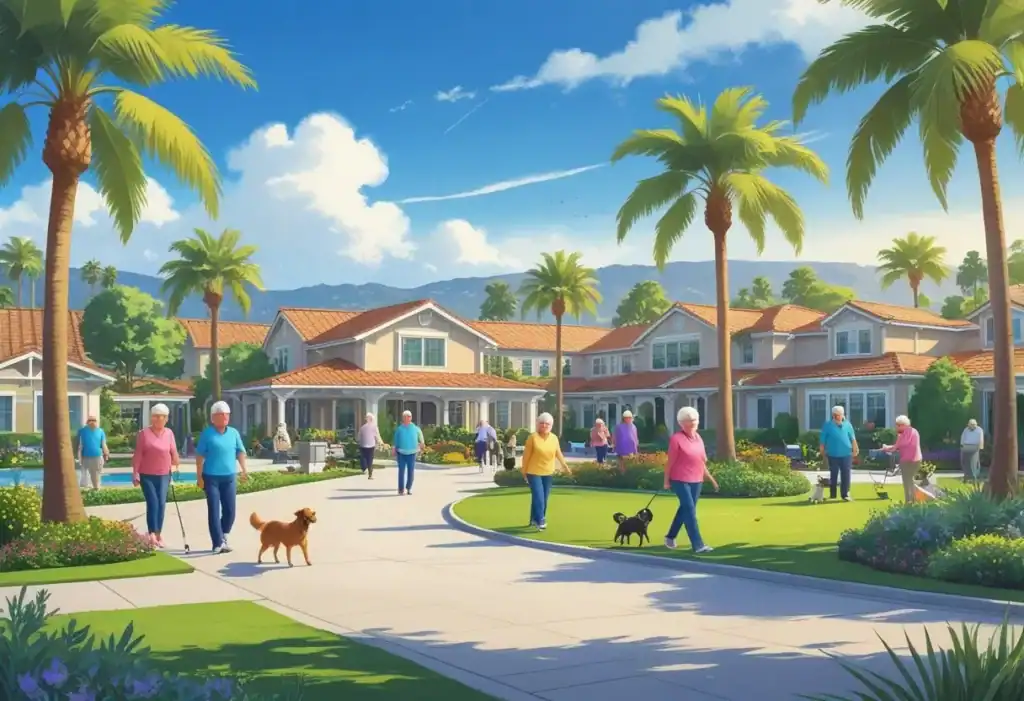
California’s age-restricted communities are built for adults 55 and older who want to stay active with neighbors in a similar stage of life. These places range from simple neighborhoods to luxury resorts loaded with amenities.
Defining Age-Restricted Communities
Federal housing laws let California’s age-restricted communities require at least one person in each household to be 55 or older. They have to make sure 80% of homes have at least one resident who meets the age rule.
Communities take these rules seriously to keep their 55+ status. Some require all residents to be 55+, while others let younger spouses or partners live there as long as one person is old enough.
This setup protects communities from age discrimination claims, so they can legally turn away younger buyers. The result? A unique living space focused on what older adults want and need.
The Active Adult Lifestyle
Active adult communities focus on keeping people busy and engaged—not just traditional retirement. I see golf courses, fitness centers, swimming pools, and tennis courts as standard features.
The social calendars fill up fast with art classes, book clubs, dance lessons, and group fitness sessions. Some folks say they’re busier now than when they worked full-time.
Wellness and recreation take center stage. You’ll find walking trails, pickleball courts, and hobby rooms for crafts or woodworking. Some Orange County retirement homes even have resort-style clubhouses where people gather for events and entertainment.
Types of Retirement Communities
California’s 55+ communities come in a few main flavors to fit different budgets and lifestyles. Independent living communities offer maintenance-free homes, but residents still handle their own daily routines.
Active adult communities put the spotlight on amenities and social activities. Most have single-family homes or condos, plus clubhouses and recreation centers.
Continuing care retirement communities (CCRCs) bundle multiple levels of care on one campus. You can start out independent and move to assisted living or nursing care if you need it later. It costs more upfront, but many like the long-term security.
Some spots are gated with security, while others blend into regular neighborhoods. Prices swing wildly—from affordable manufactured parks to luxury developments with million-dollar homes.
Top 55 Places and Communities Across California

California’s 55+ communities stretch across all sorts of regions, each with its own perks. From wine country in the north to the desert in the south, active adult neighborhoods deliver resort-style amenities and age-restricted living built for retirees.
Northern California 55+ Places
Northern California has a bunch of active adult communities around Sacramento, the Bay Area, and wine country. I’ve noticed these spots appeal to retirees who want milder weather and easy access to culture.
Popular Northern California Communities:
- Lincoln Hills near Sacramento
- Sun City Roseville
- Bay Area developments in Walnut Creek
- Communities near Napa Valley
Most of these neighborhoods offer clubhouses, fitness centers, and golf courses. Residents like being close to San Francisco and the wine regions. The climate is cooler than Southern California, which draws folks who want four seasons.
Sacramento-area communities often cost less than the ones by the coast. I see a lot of single-family homes with easy-care yards. The region also has solid healthcare and convenient airport access.
Southern California Retirement Communities
Sun City communities really stand out in Southern California. Sun City Palm Desert is one of the oldest and most popular in the Coachella Valley.
The desert region offers several standout options:
- Sun City Palm Desert – Multiple golf courses and recreation centers
- Sun City Shadow Hills in Indio
- The Colony in Murrieta – Guard-gated with single-family homes
- Laguna Woods – a gated community about 5 miles from the beach
Palm Desert 55+ communities attract retirees who want warm winters and dry air. The Inland Empire’s housing is usually more affordable than the coast. Lots of Southern California active adult communities come with resort-style pools, tennis courts, and lots of social events.
Orange County and San Diego have their own premium age-restricted neighborhoods. They’re pricier but offer ocean breezes and beach access.
Notable Coastal Communities
Coastal California communities cost more, but you get year-round great weather. I’ve seen plenty of retirees pick ocean views and beach walks over bigger homes.
Key Coastal Areas:
- San Diego County (Rancho Bernardo, Carlsbad)
- Orange County (Laguna Woods, Mission Viejo Casta Del Sol)
- Ventura County coastal towns
- Central Coast near Santa Barbara
Oaks North in Rancho Bernardo offers both attached and single-family homes, plus golf, pools, and woodworking shops. Laguna Woods Village near the coast has one of California’s biggest 55+ populations.
Coastal communities usually have smaller lots and higher HOA fees. The mild weather means lower utility bills, though. I notice these areas draw active retirees who love walking, biking, and outdoor fun every day.
Resort-Style Amenities to Expect
California’s 55+ communities really pile on the resort-style perks. I get access to fitness centers, pools, golf courses, and trails—sometimes all just steps from home.
Fitness Centers and Health Clubs
Modern fitness centers in these communities are a far cry from a couple of dusty treadmills. Most have top-notch cardio machines, weights, and spaces where I can tailor my workout. Group fitness classes—yoga, Pilates, water aerobics, strength training—are common and designed for active adults.
Wellness programs often include personal trainers who know what works for my age group. I like that there are separate studios for classes, so I’m not fighting for space or dealing with blaring music.
Some communities even offer physical therapy, massage rooms, or wellness consults right in the clubhouse. Staying healthy gets a lot easier when it’s all right there.
Swimming Pools and Spas
Most California 55+ communities have both indoor and outdoor pools, which I love for year-round swimming. Outdoor pools usually come with sundecks, lounge chairs, and sometimes cabanas. Indoor pools let me keep up my water workouts even when it’s chilly outside.
Lap pools are great for serious swimmers. I see more places adding resistance and therapy pools with jets for low-impact exercise.
Spas and hot tubs are perfect for unwinding or soothing sore muscles after a hike. Many pool areas also have changing rooms and showers, and some even offer towel service. It honestly feels like a hotel sometimes.
Golf Courses and Putting Greens
If you love golf, you’ll find everything from championship 18-hole courses to casual 9-hole layouts in California’s 55+ communities. I can play on courses designed by big-name architects without paying country club dues. Many spots offer flexible golf memberships, so you don’t overpay if you’re not a daily player.
Practice areas usually include a driving range, chipping spots, and putting greens. Some neighborhoods have golf pros for lessons and club fittings.
For more casual players, I see plenty of places with just putting greens or par-3 courses—great for a quick round or a fun afternoon with friends.
Walking and Hiking Trails
The trail systems in these neighborhoods make daily walks a breeze. Most developments have paved paths winding through the community, connecting amenities and giving me scenic loops to choose from.
Some California communities really make the most of the landscape, with trails through hills, vineyards, or foothills. I appreciate rest areas with benches to catch my breath and soak in the view.
Biking trails often run alongside walking paths, and some communities even keep dirt trails for a more natural feel. With so many miles of trails, I never get bored with the same old route.
Lifestyle and Social Activities
Active adult communities in California keep their calendars packed with things to do. From sports to hobby groups to organized trips, these places figure out what 55+ adults actually want from retirement.
Tennis and Pickleball Courts
Tennis and pickleball courts are everywhere in California’s 55+ communities. Pickleball’s especially hot right now—it’s easier on the joints than tennis but still offers a fun workout and a bit of competition.
Most communities have courts with shaded seating and lights for evening games. Some places run leagues and tournaments for all skill levels. I like the drop-in sessions where you just show up and jump into a game—no planning needed.
The social side is huge. Regulars often form close groups that grab lunch together after matches. It’s more than just exercise—it’s a way to make friends and stay connected.
Clubs and Interest Groups
Art and craft clubs give me space to explore painting, pottery, or scrapbooking. I get to do this alongside neighbors who share my interests.
Most communities keep dedicated rooms stocked with supplies and workspace for these activities. Other popular clubs include book groups, photography societies, woodworking shops, and gardening committees.
I can join as many as I want based on my schedule and interests. These groups typically meet weekly or monthly.
Sometimes, they showcase their work at community events. If I want to try something new, there’s usually a club for it—or at least enough interested folks to start one.
Organized Events and Excursions
Communities plan regular events like holiday parties, movie nights, and potluck dinners. These gatherings happen in clubhouses designed for socializing.
Day trips take advantage of California’s location near museums, wineries, beaches, and cultural attractions. I can sign up for group outings to local restaurants, theaters, or hiking trails without handling the planning myself.
Some communities bring entertainment in, hosting concerts, educational speakers, or fitness classes right on site. This makes it easy to stay engaged, even when I don’t feel like leaving the neighborhood.
Living Options: Independent, Assisted, and More
California’s 55+ communities offer different care levels to match your changing needs. You can start with independent living and move to assisted living or skilled nursing if you need it later.
Independent Living Communities
Independent living gives you your own space with less maintenance work. You get a private apartment or house in an age-restricted community where everyone is 55 or older.
These places handle yard work and exterior maintenance. They often include amenities like pools, fitness centers, and social activities.
Most independent living communities in California offer dining options, housekeeping, and transportation. You still live on your own terms but with added convenience.
Some communities, like Laguna Woods Village, provide various floor plans to fit different lifestyles. Monthly fees usually cover building maintenance, insurance, water, and access to community amenities.
You can pick gated communities with golf courses or smaller neighborhoods focused on activities and social clubs. The Bay Area, San Diego, and Palm Springs all have options at different price points.
Assisted Living Nearby
Assisted living provides help with daily tasks while letting you keep your independence. Staff members can assist with bathing, dressing, medication, and meals.
This setup means you can stay in the same area if your needs change. Places like Huntington Landmark offer amenities for active lifestyles while being close to care options.
Care plans adjust based on what you need. Some people only need help with medications, while others require more daily assistance.
Monthly costs vary by location and care level but include housing, meals, and personal care services.
Skilled Nursing Facility Access
Skilled nursing facilities provide medical care and rehabilitation services. These places have licensed nurses on staff and can handle complex health needs.
You might need this kind of care after surgery or for chronic conditions. Some California retirement communities include skilled nursing on campus.
This lets you move between care levels without leaving the community. Many facilities offer both short-term rehab and long-term care.
Staff members work with your doctors to create treatment plans. Services include physical therapy, wound care, and medication administration.
Having skilled nursing nearby gives peace of mind as you age in your 55+ community.
How to Choose the Right 55+ Community in California
Finding the right 55+ community means matching your lifestyle with what a place actually offers. I focus on three key things: location and lifestyle fit, the real costs (not just the home price), and which amenities matter to me day-to-day.
Location and Lifestyle Fit
I start by asking myself what kind of California lifestyle I want. Do I see myself near beaches in San Diego or Orange County, or do I want the cooler climate and wine country of Northern California?
The distance to family and healthcare matters more than I might think. I check how far the community is from my doctors, hospitals, and loved ones I’ll want to visit regularly.
A beautiful community loses its appeal fast if I’m driving two hours each way to see my grandkids. I also think about my daily routine.
If I love walking to coffee shops and restaurants, a community in the Bay Area or Palm Springs might work better than a more remote spot. Some people want peace, while others prefer being close to cultural attractions and entertainment.
California’s regions offer very different experiences. The Inland Empire and Sacramento areas give me more space for my money, while coastal areas like San Diego and the Bay Area cost more but offer mild weather year-round.
Budgeting and HOA Fees
The home price is just the beginning of what I’ll actually pay. HOA fees in California 55+ communities can range from $100 to over $500 monthly, and I need to know exactly what those fees cover.
I make a list of what’s included:
- Landscaping and exterior maintenance
- Clubhouse access and activities
- Security and gate services
- Trash and recycling
- Common area utilities
Some communities charge extra for golf memberships, fitness classes, or premium amenities. I add these up to see my real monthly cost.
Property taxes in California vary widely by county, so I check the actual tax rate for each community I’m considering. I also ask about special assessments, since these one-time fees for repairs or upgrades can run into thousands of dollars.
Amenities Checklist
I think about what I’ll actually use versus what just sounds nice. A huge golf course doesn’t help me if I don’t play golf, but a good fitness center matters if I work out daily.
My personal must-haves might include:
- Fitness facilities – pools, gyms, exercise classes
- Social spaces – clubs, hobby rooms, event calendars
- Outdoor areas – walking trails, gardens, sports courts
- Practical features – RV parking, guest suites, workshops
I visit communities during the day and talk to current residents about what they use most. The best amenities are the ones that keep people active and connected, not just the ones that look good in brochures.
Frequently Asked Questions
California offers a wide range of 55+ communities with varying price points, amenities, and lifestyles. Finding the right community depends on your budget, preferred location, and what you value most in your retirement years.
What are some affordable 55+ communities in California?
I’ve found that Southern California has several budget-friendly options for active adults. Many manufactured home communities offer lower entry costs compared to traditional single-family homes.
Communities in inland areas like Ontario and San Bernardino tend to be more affordable than coastal locations. You can often find condos and townhomes starting in the mid-$200,000s in these regions.
Some manufactured home communities have monthly HOA fees that include amenities like clubhouses and pools. These can be a great value if you want access to facilities without the higher purchase price of traditional homes.
How much does it cost to rent in a 55+ community in California?
Rental costs in California 55+ communities vary widely based on location and housing type. Coastal communities typically charge higher rents than inland areas.
I’ve seen monthly rents range from around $1,500 for apartments in inland communities to $3,000 or more near the beach. These prices often include certain maintenance services like lawn care and exterior upkeep.
Some communities offer short-term rentals for snowbirds who want to try before buying. This can be a smart way to test out a community for a few months before making a long-term commitment.
Can you recommend some luxury retirement communities for those 55 and over in California?
California has resort-style communities with high-end amenities for those seeking an upscale lifestyle. Many of these feature golf courses, spas, and gourmet dining options.
Orange County communities like those in Rancho Mission Viejo offer luxury homes with modern designs and extensive amenities. La Floresta in Brea provides walkable access to downtown shopping and entertainment.
Coastal communities throughout California deliver stunning ocean views and beach access. These premium locations come with higher price tags but offer an unmatched California lifestyle.
What are the top-rated 55+ communities in California?
The best communities depend on what matters most to you. Some residents prioritize walkability and access to dining and shopping.
Communities in Brea, like La Floresta, are known for their central locations near downtown areas. Rancho Mission Viejo’s neighborhoods like Gavilan and Esencia are self-contained with their own amenities.
I recommend visiting communities in person and talking to current residents. They can give you honest insights about daily life and whether the community lives up to its promises.
What are the benefits of living in a 55+ community?
These communities are designed specifically for active adults who want to maintain an independent lifestyle. You’ll find amenities like fitness centers, pools, and social clubs tailored to your interests.
Many communities handle exterior maintenance, landscaping, and snow removal. This frees up your time to enjoy hobbies and activities instead of home upkeep.
The age restriction creates a quieter environment with neighbors in similar life stages. Many residents appreciate the strong sense of community and the opportunity to make friends with shared interests.
Security features like gated entries and surveillance cameras are common. Residents often look out for each other, creating a safer living environment.
What should I consider before moving into a 55+ community?
Location really matters. Think about how close you’ll be to family, medical care, and the activities you actually enjoy.
Take a good look at the HOA rules before you commit. These rules can cover things like pets, parking, and even what you can change about your home.
Focus on amenities that fit your lifestyle. If you’re not a golfer, why pay for a golf course you’ll never use?
Try to visit communities at different times of day. Chat with people who live there and see what they like—or don’t like.
Check out the housing options in detail. Make sure the layout works for you, especially if you’re hoping for single-level living or need accessibility features.